Solar inverters for rooftop and ground-mount systems in Odisha & Chhattisgarh
On-grid, hybrid and off-grid inverters matched to your panel array, load and grid conditions.
- DC to AC conversion
- MPPT tracking
- Battery-ready options
Get a quick quote
Share your requirement — we call back with options and price.
A solar inverter converts the direct current (DC) produced by solar panels into alternating current (AC) used by your equipment and accepted by the grid. It also tracks the panels' maximum power point, monitors the system and disconnects safely if the grid fails.
We supply string, hybrid and off-grid inverters for commercial, industrial and farm installations across Odisha and Chhattisgarh. Each inverter is selected against your array voltage, capacity and whether you need battery backup.
The inverter is the most active electronic part of a solar system and the part most sensitive to heat, dust and surges. Choosing the right type and rating, and installing it well, has a direct effect on how much energy the plant delivers year after year.
Where it is used
- Factory rooftop plants
- Commercial buildings
- Solar water pumping
- Farm and remote sites
- Hybrid backup for critical loads
- Replacement of failed inverters
Key benefits
DC to AC conversion
Converts panel output to grid-quality AC power for your loads or for export.
MPPT tracking
Maximum power point tracking keeps panels working at their best output as sunlight changes.
Battery-ready options
Hybrid and off-grid models charge batteries and supply power during outages.
Monitoring
Most models show generation and faults on a display or app so problems are caught early.
Types of solar inverter
| Type | Best for | Battery |
|---|---|---|
| On-grid (grid-tied) | Sites with reliable grid and net metering | No |
| Hybrid | Sites that want savings plus backup for critical loads | Yes |
| Off-grid | Remote sites, farms and locations without grid supply | Yes |
Larger plants typically use several string inverters, which keeps generation going if one unit needs service.
For commercial and industrial sites, three-phase string inverters are most common. Hybrid inverters suit sites with frequent outages where a few loads such as lighting, IT or controls must stay on.
How to choose the right inverter
- Capacity: the inverter AC rating is usually close to the array size; a modest DC-to-AC ratio above 1 is common.
- Phase: single-phase for small systems, three-phase for most commercial and industrial connections.
- MPPT inputs: roofs with panels facing different directions benefit from multiple MPPT inputs.
- Voltage window: the string voltage must stay within the inverter's MPPT range in both cold mornings and hot afternoons.
- Environment: check the enclosure rating and allow ventilation; heat and dust reduce output and life.
See the full system on our solar power plant page.
Look at warranty terms and local service support as part of the decision. An inverter that is quick to repair or replace keeps downtime short, which matters more than small differences in rated efficiency.
What to send for a quote
- Planned or existing array size (kW) and panel model
- Single- or three-phase supply and sanctioned load
- Whether you need battery backup, and which loads
- Installation location (indoor/outdoor)
Need help choosing?
Send us your application, duty and site conditions. We recommend the right model and quote with delivery to your plant.
Related
Solar Inverters we supply
Ask for a price on any item — we confirm availability and delivery to your site.


Solar Inverters: questions buyers ask
Straight answers to the questions plant teams ask us most.
What size inverter do I need?
Match the inverter to your panel array, typically with the array slightly larger than the inverter's AC rating. We check string voltages against the inverter's input range before confirming the model.
Can I add batteries to an existing on-grid system?
Not directly to a standard on-grid inverter. You can replace it with a hybrid inverter or add an AC-coupled battery system. Send your current inverter details and we will suggest the simplest option.
Why does my inverter stop during a power cut?
Grid-tied inverters are required to stop exporting when the grid fails so that line workers are not put at risk. This is called anti-islanding protection and is normal behaviour.
Where should the inverter be installed?
In a shaded, well-ventilated place close to the array and the main panel, protected from rain and direct sun. Short cable runs reduce losses and heat keeps output lower.
Do you supply replacement inverters?
Yes. Share the existing array details and the old inverter's nameplate, and we will propose a compatible replacement.
You may also need
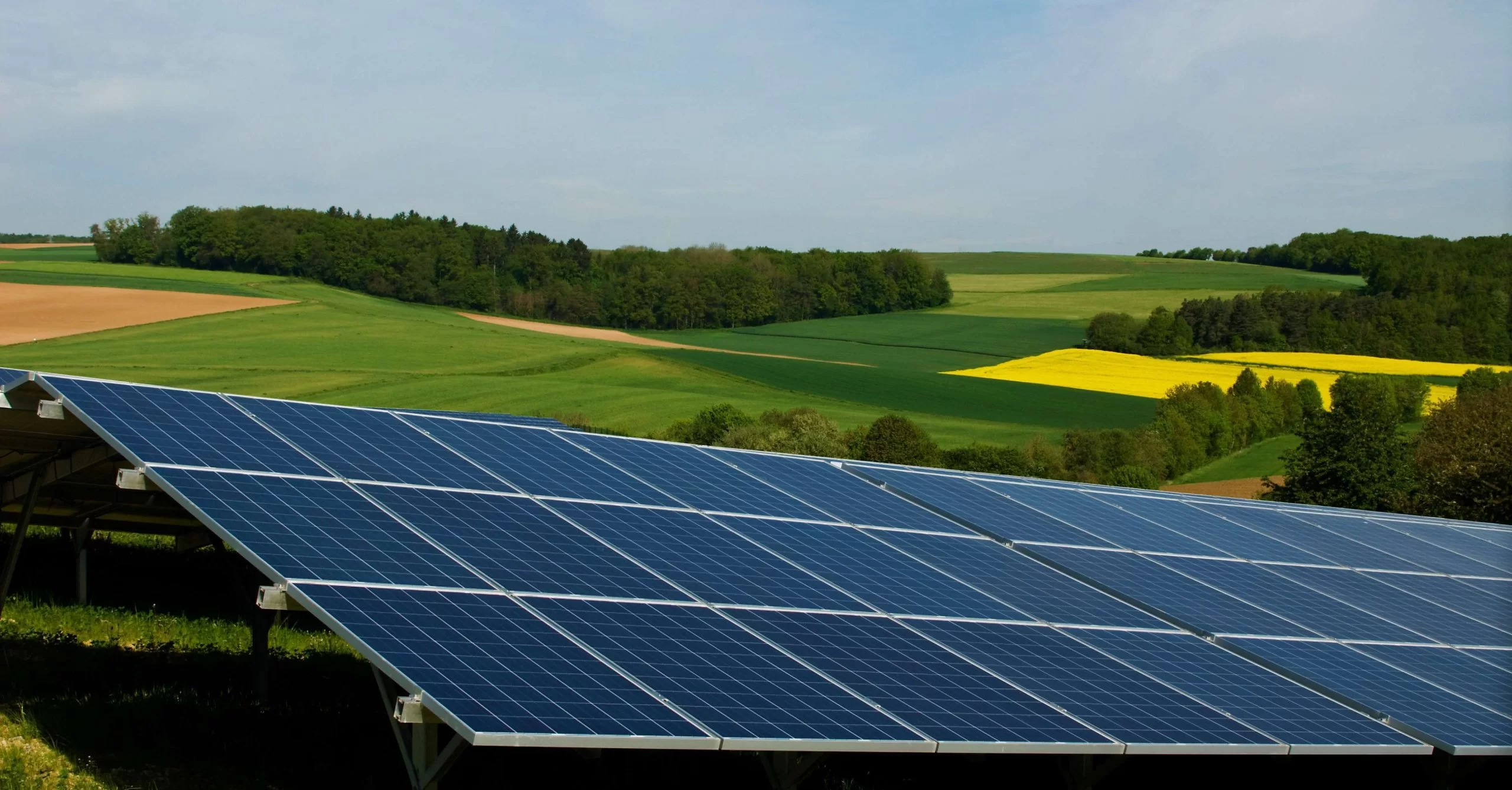
Solar Power Plant
Rooftop and ground-mounted solar systems that cut daytime grid consumption for factories, commercial buildings and farms.
View details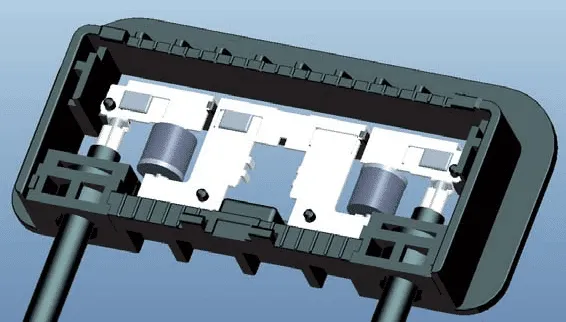
Solar Junction Boxes
Array junction boxes and distribution boxes that combine strings safely and protect your inverter and panels.
View details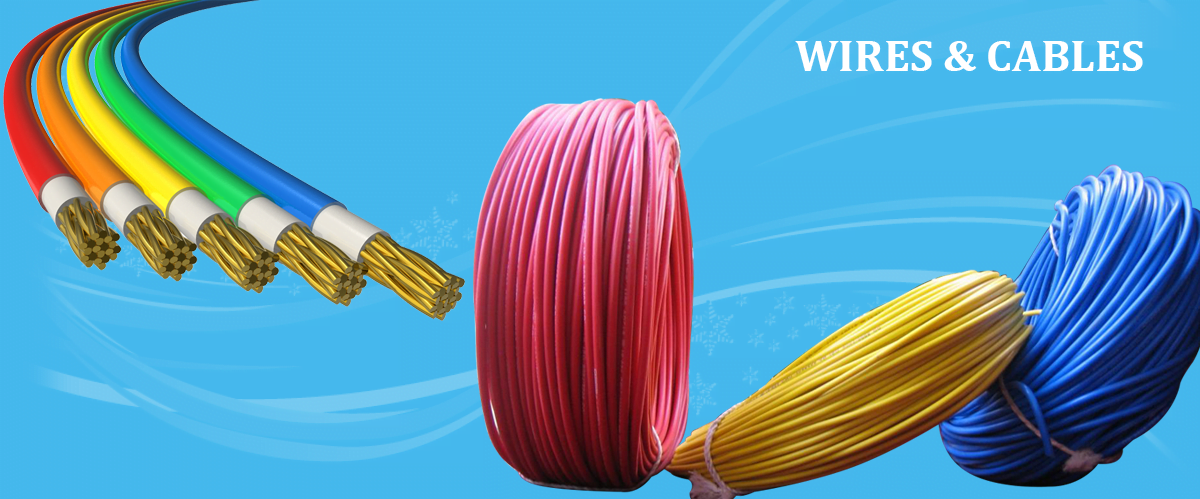
Solar Cables and Wires
DC and AC cables sized for low voltage drop and long outdoor life on rooftop and ground-mount systems.
View detailsNeed an inverter for your solar system?
Tell us your array size and supply type and we will recommend a suitable model with a quotation.