Sewer jetting pumps for Chhattisgarh & Odisha
High-pressure plunger pumps and jetting accessories for clearing blockages, silt and grease from sewer and drain lines.
- Up to 3000 psi
- 14 to 445 lpm
- Medium-speed design
Get a quick quote
Share your requirement — we call back with options and price.
Sewer lines must be cleaned regularly to stop blockages, overflow and odour, and to keep pipe walls visible for inspection. Deposits of silt, grease and inorganic material also reduce the efficiency of downstream treatment.
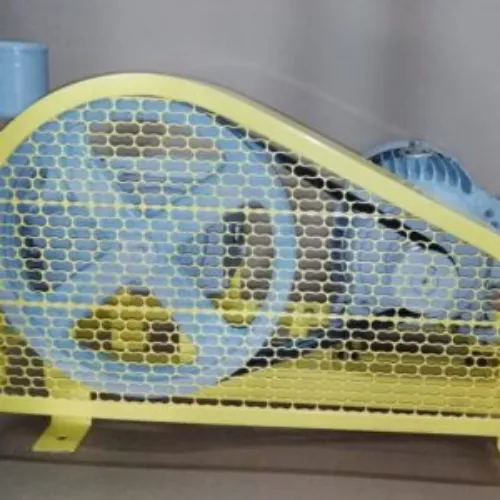
We supply Riggers high-pressure plunger pumps for sewer jetting machines, with flow rates from 14 to 445 lpm and pressures up to 3000 psi. The pumps are of rugged, medium-speed construction for long hours of work, and we supply the nozzles and valves needed to build a complete jetting unit for municipal bodies, contractors and plant drainage teams in Chhattisgarh and Odisha.
Regular jetting is cheaper than emergency clearing. Cleaning lines on a schedule keeps flow capacity, stops the build-up that leads to surcharging, and lets CCTV or visual inspection find cracks and root intrusion early.
Where it is used
- Municipal sewer cleaning
- Storm drain clearing
- Plant drainage networks
- Township sewage lines
- Grease-laden kitchen drains
- Culvert and channel cleaning
- Manhole and chamber washing
Key benefits
Up to 3000 psi
Enough pressure to cut through grease, roots and compacted silt in sewer lines.
14 to 445 lpm
Flow to suit small drain cleaning or large trunk sewer jetting.
Medium-speed design
Rugged plunger pumps built for long, continuous jetting shifts.
Complete accessories
Rotating and penetrating nozzles, unloader and safety valves, guns and surface cleaners.
How sewer jetting works
A high-pressure hose is fed into the sewer from a manhole. The jetting nozzle has rear-facing jets that pull the hose forward through the pipe, and often a forward jet to break into blockages. Once the nozzle reaches the far end, the hose is reeled back while the rear jets flush debris towards the starting manhole, where it is removed by suction or by hand.
Flow does most of the flushing work, while pressure provides cutting power. A good jetter balances both for the pipe diameter being cleaned.
Plunger pumps are preferred for jetting because they deliver steady flow at high pressure, can run long shifts and are straightforward to service in the field. A pressure-regulating valve sets working pressure for the job, while the unloader protects the pump when the operator stops jetting.
Nozzles and accessories
| Item | Purpose |
|---|---|
| Penetrating nozzle | Forward jet to break through hard blockages |
| Rotating nozzle | Spinning jets that scour grease and scale from the pipe wall |
| Flushing nozzle | Rear jets for maximum pull and debris removal in larger pipes |
| Unloader and pressure-regulating valve | Set working pressure and divert flow when the gun closes |
| Safety valve | Last line of protection against over-pressure |
| Trigger guns and surface cleaners | Washing manholes, chambers and surrounding areas |
Sizing a jetting pump
- Small drains (up to about 150 mm): lower flows with moderate pressure are usually enough.
- Main sewers (150 to 450 mm): higher flow is needed to carry debris back to the manhole.
- Large trunk lines: highest flows with large-bore hose and flushing nozzles.
Tell us the pipe sizes, typical run lengths, hose length and whether the unit is truck, trailer or skid mounted. We will match a pump and accessory set. Send details through request a quote.
Need help choosing?
Send us your application, duty and site conditions. We recommend the right model and quote with delivery to your plant.
Related
Sewer Jetting Pumps we supply
Ask for a price on any item — we confirm availability and delivery to your site.


Sewer Jetting Pumps: questions buyers ask
Straight answers to the questions plant teams ask us most.
Which matters more for sewer jetting, pressure or flow?
Both, but for different jobs. Pressure cuts through grease and hard blockages, while flow carries debris back down the pipe. For larger diameters, flow becomes the limiting factor.
How long a hose can a jetting pump drive?
It depends on hose bore, flow and pressure, because friction losses rise with length. Longer runs need a larger hose bore or higher pump output to keep enough pressure at the nozzle. We size the pump with your hose length in mind.
What type of nozzle should I use?
Use a penetrating nozzle for hard blockages, a rotating nozzle for grease and wall scale, and a flushing nozzle with rear jets for moving silt out of larger pipes. Most crews carry two or three types on the reel.
Can a sewer jetting pump be mounted on our existing vehicle?
In most cases yes, provided there is space, a suitable drive (engine or PTO) and a water tank of adequate size. Share vehicle details and we will advise on the pump and layout.
How should the pump be maintained in sewer work?
Use clean water from the tank through an inlet filter, never sewage, and check the filter daily. Change crankcase oil at the recommended interval and replace plunger seals when leakage appears.
What spares should we keep?
Keep a plunger seal kit, inlet and outlet valve kit, spare nozzles and an unloader repair kit. These cover most field stoppages.
You may also need
Riggers Pumps
Plunger pumps and complete units for cleaning, jetting, hydro testing, blasting and UHP fire fighting from our group brand Riggers Pumps.
View details
Hydro Jetting Machines
High-pressure water jetting units for cleaning tubes, pipes, heat exchangers and vessels without chemicals.
View details
Industrial Cleaning Equipment
Heavy-duty electric high-pressure cleaners for washdown, pipe cleaning, paint and rust removal across the plant.
View detailsBuild or upgrade a sewer jetter
Send us your pipe sizes and mounting arrangement and we will recommend a pump and nozzle set.