Riggers high-pressure pumps for Chhattisgarh & Odisha industry
Plunger pumps and complete units for cleaning, jetting, hydro testing, blasting and UHP fire fighting from our group brand Riggers Pumps.
- High-pressure plunger design
- Wide flow range
- Skid, trolley or trailer
Get a quick quote
Share your requirement — we call back with options and price.
Riggers Pumps is our group brand for high-pressure reciprocating plunger pumps and the systems built around them. These pumps deliver a steady, positive-displacement flow at pressures far beyond what a centrifugal pump can reach.
For plants in Chhattisgarh and Odisha we supply Riggers pumps as bare pumps or as complete skid, trolley or trailer units with motor or engine drive, valves, hoses, guns and nozzles. Flow ratings for jetting duties run from about 14 to 445 lpm, with pressures up to 3000 psi; hydro test pumps go higher.
Having a group brand behind the pumps means parts, plunger seals and valve kits are easier to source, and we can configure units around your job instead of fitting the job to a standard catalogue machine.
Where it is used
- Hydro testing of pipes and vessels
- Sewer and drain jetting
- Heat exchanger tube cleaning
- Descaling and coating removal
- Plant washdown
- UHP fire fighting skids
- Wagon and conveyor cleaning
- Boiler and tank cleaning
Key benefits
High-pressure plunger design
Positive displacement gives a steady flow at high pressure, largely independent of system resistance.
Wide flow range
Models from about 14 to 445 lpm to match small cleaning jobs and large jetting units.
Skid, trolley or trailer
Units configured for fixed installation or moving around the plant.
Motor or engine drive
Electric drive for plant use, diesel engine drive for remote or mobile work.
Safety accessories
Unloader valves, safety relief valves, pressure gauges and rated hoses.
Spares and service
Plungers, seals, valves and nozzles supplied to keep pumps in service.
Riggers pump applications
| Application | What it does | Page |
|---|---|---|
| Hydro test pumps | Pressure testing of pipes, vessels, valves and cylinders | Hydro test pump |
| Sewer jetting pumps | Clearing blockages and silt from sewer lines and drains | Sewer jetting pump |
| Hydro jetting machines | Cleaning tubes, pipes and heat exchangers | Hydro jetting machines |
| Hydro blasting machines | Removing scale, coatings and hard deposits | Hydro blasting machine |
| Industrial cleaning | Washdown of equipment, floors and vehicles | Industrial cleaning |
| UHP fire fighting | Ultra-high-pressure, low-water fire suppression skids | UHP fire fighting equipment |
How a plunger pump works
A crankshaft drives ceramic or hardened plungers back and forth in a manifold. On each suction stroke, inlet valves open and water fills the chamber. On the delivery stroke, the plunger pushes the water out through discharge valves at high pressure. Triplex designs with three plungers give a smoother flow than single or duplex pumps.
Because the pump is positive displacement, it always needs a pressure relief or unloader valve. When a gun closes or a line blocks, that valve diverts flow so pressure cannot build beyond safe limits.
Plunger pumps are also tolerant of varying duties. With the right nozzle, the same pump can deliver high pressure at lower flow or more flow at lower pressure, within its power rating.
What to send us for a quote
- Application: cleaning, jetting, blasting, hydro testing or fire fighting
- Required pressure and flow, or the nozzle and hose size you use
- Drive preference: electric motor or diesel engine
- Mounting: skid, trolley or trailer
- Water source and quality
Send your requirement through request a quote or on WhatsApp.
Need help choosing?
Send us your application, duty and site conditions. We recommend the right model and quote with delivery to your plant.
Related
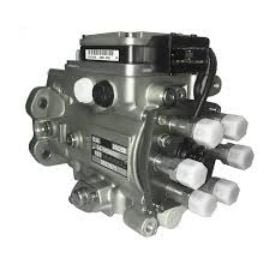
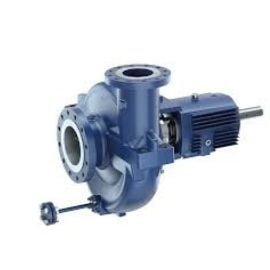
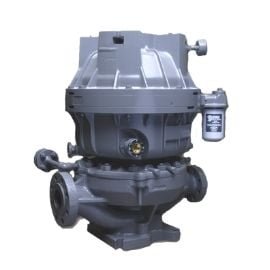
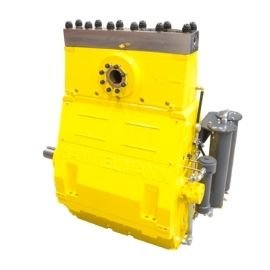
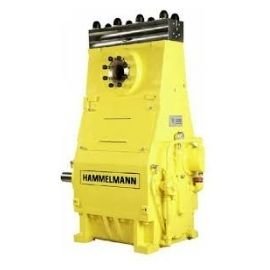
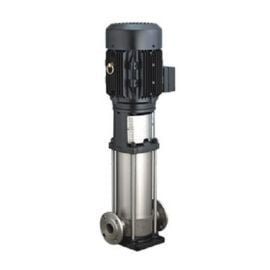
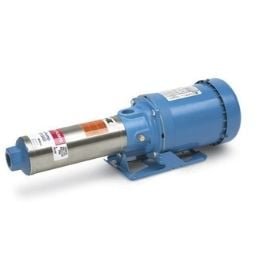
Riggers Pumps we supply
Ask for a price on any item — we confirm availability and delivery to your site.

Riggers Pumps: questions buyers ask
Straight answers to the questions plant teams ask us most.
What is the difference between a plunger pump and a piston pump?
In a plunger pump the sealing packing is stationary and a smooth plunger moves through it, while in a piston pump the seal moves with the piston inside a cylinder. Plunger designs handle much higher pressures and are the standard for jetting, blasting and hydro testing.
Why is an unloader valve essential?
A plunger pump delivers the same flow regardless of resistance. If the gun is closed without an unloader, pressure rises until something fails. The unloader diverts flow back to the inlet or tank when the outlet closes, protecting the pump, hoses and operator.
How do I choose between electric and diesel drive?
Electric drive is quieter, cheaper to run and suits fixed or in-plant use where power is available. Diesel engine drive suits mobile units, municipal jetting and remote sites without a power point.
What maintenance does a plunger pump need?
Check crankcase oil regularly and change it at the recommended interval, replace plunger seals when leakage appears and inspect inlet and outlet valves. Running with a clean, adequate water supply is the biggest factor in pump life.
Can one unit do both cleaning and hydro testing?
Usually not well. Cleaning needs high flow at moderate pressure, while hydro testing needs low flow and finer pressure control at higher pressures. Dedicated units give better results and safer operation.
You may also need
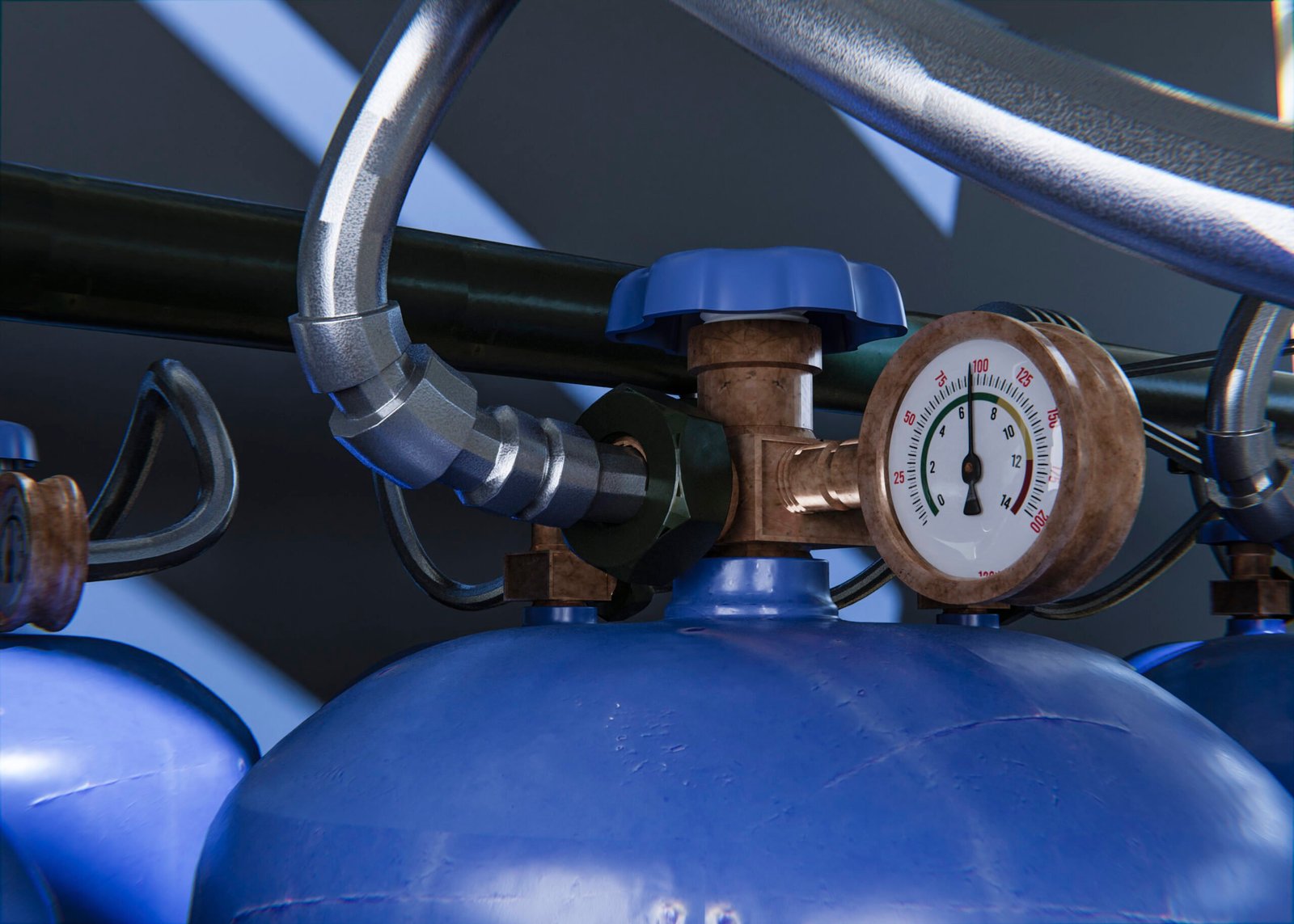
Hydro Test Pumps
Motor or engine-driven plunger pumps for hydrostatic testing of pipelines, vessels, boilers, valves, hoses and cylinders.
View details
Sewer Jetting Pumps
High-pressure plunger pumps and jetting accessories for clearing blockages, silt and grease from sewer and drain lines.
View details
Hydro Jetting Machines
High-pressure water jetting units for cleaning tubes, pipes, heat exchangers and vessels without chemicals.
View detailsSpecify a high-pressure pump unit
Tell us the application, pressure and flow and we will propose a Riggers pump or complete unit.