Submersible pump suppliers for Odisha & Chhattisgarh
Borewell, openwell, dewatering and sewage submersibles selected to your depth, flow and water quality.
- No priming needed
- Mine and pit dewatering
- Sized to depth and yield
Get a quick quote
Share your requirement — we call back with options and price.
A submersible pump sits in the liquid it moves, so it never needs priming and is not limited by suction lift. That makes it the natural choice for borewells, mine sumps, flooded pits and sewage wet wells.
We supply submersible pumps through our group brand Pumpscart to plants, mines, contractors, municipal bodies and farms across Odisha and Chhattisgarh. We help you choose the type, size and materials, and support installation and troubleshooting after supply.
Most submersible failures come from poor sizing, dry running or voltage problems rather than the pump itself. That is why we look at the whole installation, including well yield, cable size, starter protection and delivery piping, before recommending a model.
Where it is used
- Borewell water supply
- Mine sump dewatering
- Construction excavation dewatering
- Sewage and effluent lifting
- Farm irrigation
- Overhead tank filling
- Flood and stormwater removal
- Solar pumping at remote sites
Key benefits
No priming needed
The pump works below the water level, so it starts reliably and avoids suction-lift limits.
Mine and pit dewatering
Robust dewatering pumps for sumps, quarries and construction excavations.
Sized to depth and yield
Selection based on borewell depth, water level and safe yield so the pump does not run dry.
Support after supply
Help with cable sizing, panel selection, installation and troubleshooting.
Types of submersible pumps
| Type | Description | Typical use |
|---|---|---|
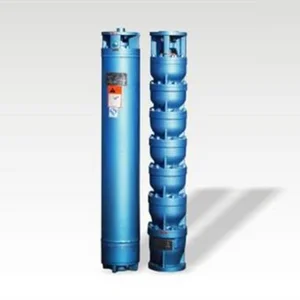
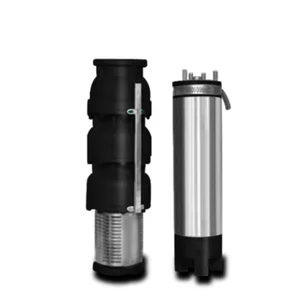
| Borewell (4", 6", 8") | Slim multistage pump with motor below, for narrow bores | Plant and township water, irrigation |
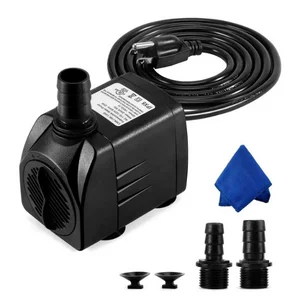
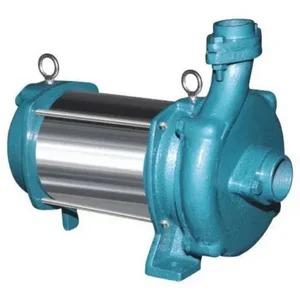
| Openwell | Vertical or horizontal pump for wells, tanks and sumps | Farms, tanks, open wells |
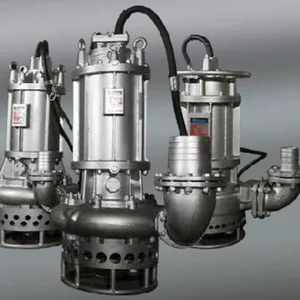
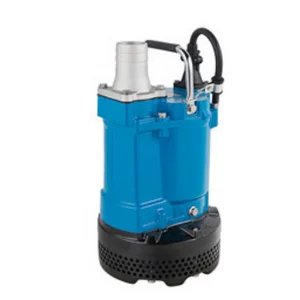
| Dewatering | Wear-resistant pump that tolerates sand and grit | Mines, quarries, excavations, flooded basements |
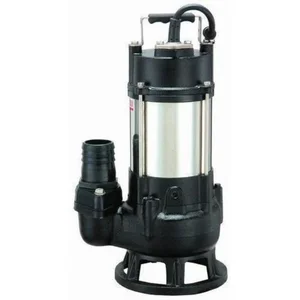
| Sewage and effluent | Vortex or channel impeller that passes solids | Sewage wet wells, ETP, drainage |
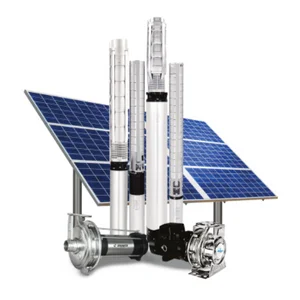
| Solar submersible | DC or AC pump run from a solar array via a controller | Remote farms and sites without grid power |
We also supply matching accessories: submersible flat cable, column pipes, non-return valves, starter panels with dry-run protection, and lifting arrangements for dewatering pumps.
How to choose a submersible pump
- Pump type for the job: borewell, openwell, dewatering or sewage.
- Flow and head: the water you need and the total lift, including pumping water level, delivery height and pipe losses.
- Bore or sump size: the pump and motor must fit with clearance for cooling flow.
- Water quality: sand, iron, salinity or effluent decide the material, often stainless steel or cast iron with hardened wear parts.
- Power supply: single or three phase, voltage fluctuation, or solar.
- Protection: dry-run, overload and phase-failure protection in the starter panel.
What to send us for a quote
- Application and liquid (clean water, muddy water, sewage)
- Borewell diameter and depth, or sump depth
- Static and pumping water level, if known
- Required flow and delivery height or pressure
- Power supply available at site
Use our quote form or WhatsApp us the details, with a photo of the existing pump if you are replacing one.
Need help choosing?
Send us your application, duty and site conditions. We recommend the right model and quote with delivery to your plant.
Related
Submersible Pumps we supply
Ask for a price on any item — we confirm availability and delivery to your site.
Submersible Pumps: questions buyers ask
Straight answers to the questions plant teams ask us most.
How do I size a borewell submersible pump?
Start from the pumping water level (not the static level), add the height to the delivery point and pipe friction losses to get total head, then match it to the flow you need. The flow must also be within the borewell's safe yield, or the pump will draw down the water and run dry.
Why do submersible pumps burn out?
The usual causes are dry running, low or unbalanced voltage, an undersized cable causing voltage drop, and frequent starts. A good starter panel with dry-run and phase protection, and a correctly sized cable, prevents most failures.
Can a submersible pump handle sand or mud?
Standard borewell pumps tolerate only small amounts of sand. For muddy or gritty water in mines and excavations, a dewatering pump with hardened impellers and wear plates is the right choice.
What is the difference between a submersible and a surface pump?
A submersible pump runs inside the liquid and pushes it up, so it has no suction lift limit and needs no priming. A surface pump sits above ground and can only lift water by suction to about 6 to 7 metres in practice, which limits it to shallow sources.
Should I choose stainless steel or cast iron?
Stainless steel suits corrosive, saline or high-iron water and gives longer life in borewells. Cast iron is economical and robust for dewatering and sewage duties where the water is not aggressive.
Can submersible pumps run on solar power?
Yes. Solar submersible pumps use a controller that runs the pump from a solar array, and they suit farms and remote sites without reliable grid power. The array is sized to the pump rating and daily water requirement.
You may also need

Industrial Pumps
Process, utility, dewatering and high-pressure pumps selected to your duty point and supplied with installation support from Raigarh.
View details
Borewell & Mining Equipment
Drilling tools, consumables and pumps for borewell contractors, quarries and mines across western Odisha and Chhattisgarh.
View details
Centrifugal Pumps
End-suction, split-case, multistage and vertical centrifugal pumps for water, cooling and process duties in heavy industry.
View detailsGet the right submersible pump
Tell us the depth, flow and water quality and we will recommend a pump and starter panel.