Hydro test pumps for Chhattisgarh & Odisha plants
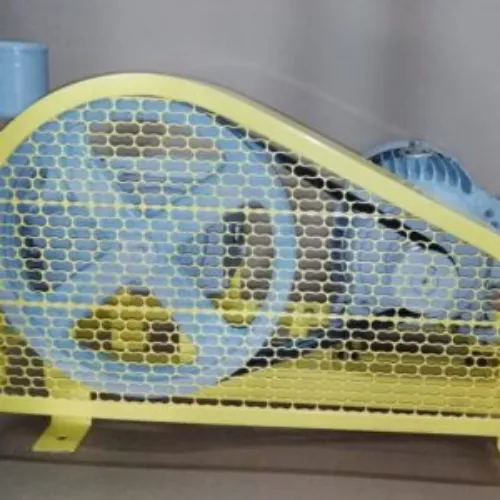
Motor or engine-driven plunger pumps for hydrostatic testing of pipelines, vessels, boilers, valves, hoses and cylinders.
- 70 to 1400 bar
- Controlled pressure rise
- Safety relief built in
Get a quick quote
Share your requirement — we call back with options and price.
Hydrostatic pressure testing confirms that a pipe, vessel or component can hold its design pressure without leaks or deformation. The item is filled with an incompressible liquid, usually water or oil, pressurised slowly to a set point and held for a fixed time while it is inspected.
We supply Riggers hydrostatic test pumps with flows from 12 to 445 lpm and pressures from 70 bar (1000 psi) up to 1400 bar (20,000 psi). Pumps are electric motor or engine driven, with safety relief and controls suited to fabrication shops, maintenance teams and pipeline contractors in Chhattisgarh and Odisha.
A reliable test pump matters as much as the test procedure. Smooth pressure rise, steady hold and accurate gauges make the difference between a clean pass and a disputed test, especially when a client's inspector is witnessing.
Where it is used
- Pipeline and spool testing
- Pressure vessel testing
- Boiler hydro tests
- Valve and casting testing
- Hose testing
- Heat exchanger testing
- Gas cylinder testing
- Fire line commissioning
Key benefits
70 to 1400 bar
Test pressures from 1000 psi up to 20,000 psi for most industrial testing needs.
Controlled pressure rise
Positive-displacement plunger pumps raise pressure slowly and steadily to the set point.
Safety relief built in
Relief valves and gauges protect the test piece and the operators.
Electric or engine drive
Electric for workshops, engine drive for pipelines and site work.
How hydrostatic testing works
- Fill the test piece completely with water and vent all trapped air, since air stores energy and makes a failure dangerous.
- Raise pressure gradually with the test pump to the specified test pressure, usually a multiple of the design pressure set by the applicable code.
- Isolate the pump and hold the pressure for the specified period.
- Inspect for leaks, sweating, distortion or a fall in pressure on the gauge or recorder.
- Release pressure in a controlled way and drain the item.
What hydro test pumps are used for
| Test item | Typical requirement |
|---|---|
| Pipes, tubes and spools | Moderate flow for filling, steady high pressure for the hold |
| Pressure vessels and boilers | Large volume, controlled pressure rise |
| Cross-country pipelines | Engine-driven units, chart recording over long hold periods |
| Valves and castings | Small volume, high pressure, quick cycles |
| Hoses and gas cylinders | High pressure with expansion measurement where required |
Choosing a test pump
- Test pressure: select a pump rated comfortably above the maximum test pressure.
- Volume to pressurise: large vessels and pipelines need more flow to reach pressure in reasonable time; a separate fill pump can help.
- Control and recording: fine pressure control, isolation valves and a pressure recorder for documented tests.
- Drive and mobility: electric for the workshop, engine drive on a trolley for site work.
Send your test pressure, test volume and drive preference through request a quote.
We can also supply hoses, gauges, isolation and bleed valves, end caps and pressure recorders so the test set is complete.
Need help choosing?
Send us your application, duty and site conditions. We recommend the right model and quote with delivery to your plant.
Related
Hydro Test Pumps we supply
Ask for a price on any item — we confirm availability and delivery to your site.


Hydro Test Pumps: questions buyers ask
Straight answers to the questions plant teams ask us most.
Why is water used for pressure testing instead of air?
Water is nearly incompressible, so it stores very little energy at pressure. If the item fails, pressure drops immediately instead of releasing in an explosive burst, as compressed air or gas would. That makes hydrostatic testing far safer.
How do I decide the test pressure?
The test pressure is set by the design code or specification that applies to the item, typically a multiple of the design or working pressure. Always follow the code or the client's specification; the pump only needs to be rated above it.
How long does it take to reach test pressure?
It depends on the volume of the item and the pump flow. Small valves reach pressure in seconds, while large vessels and pipelines can take much longer. Larger jobs often use a high-flow fill pump first and the test pump only for the final pressurisation.
Can I test with oil instead of water?
Yes, where the item cannot tolerate water, such as hydraulic components. The pump seals and materials must be compatible with the oil, so tell us the test medium when you enquire.
What safety precautions are needed during a hydro test?
Vent all air before pressurising, use rated hoses and fittings, set the relief valve just above the test pressure, and keep people clear of the test piece and end caps. Never tighten fittings while the system is under pressure.
You may also need
Riggers Pumps
Plunger pumps and complete units for cleaning, jetting, hydro testing, blasting and UHP fire fighting from our group brand Riggers Pumps.
View details
Pressure Transducers
Electronic pressure measurement with 4–20 mA or voltage output, for control loops, protection and monitoring.
View details
Industrial Cleaning Equipment
Heavy-duty electric high-pressure cleaners for washdown, pipe cleaning, paint and rust removal across the plant.
View detailsGet a hydro test pump quote
Share your test pressure, volume and drive preference and we will recommend a suitable test pump.