Compressed air dryers for plants in Odisha & Chhattisgarh
Refrigerated and desiccant dryers, sized on your compressor output and the dew point your equipment actually needs.
- Refrigerated dryers
- Desiccant dryers
- Filtration package
Get a quick quote
Share your requirement — we call back with options and price.
Air leaving a compressor is hot and saturated. As it cools in the pipeline, water condenses and travels with the air into valves, cylinders, instruments and pulse-jet bag filters. The results are familiar to every maintenance team: sticking solenoid valves, rusted cylinders, blocked filter bags and frozen lines in winter.
A correctly sized air dryer removes that moisture at the source. We supply refrigerated and desiccant dryers, with pre-filters, after-filters and condensate drain valves, to plants across Odisha and Chhattisgarh.
The problem is worse in eastern India. Monsoon humidity in Odisha and Chhattisgarh means the air entering the compressor already carries a lot of moisture, and summer temperatures reduce the cooling of air in the receiver and pipelines. Dryers sized only for mild reference conditions are often overloaded in these months.
Where it is used
- Instrument air for control valves
- Pulse-jet bag filters in steel and power plants
- Pneumatic cylinders and actuators
- Pneumatic conveying of fly ash and cement
- Air knives and blow-off
- Paint and coating lines
Key benefits
Refrigerated dryers
Economical choice for general plant air, typically giving a pressure dew point of around +3 °C.
Desiccant dryers
For instrument air and critical uses, reaching dew points well below freezing.
Filtration package
Coalescing and particulate filters to remove oil aerosols and dust.
Correct sizing
Sized on flow, inlet temperature, pressure and ambient, not just compressor kW.
Refrigerated or desiccant: which do you need?
| Refrigerated dryer | Desiccant dryer | |
|---|---|---|
| Typical pressure dew point | Around +3 °C to +10 °C | -20 °C, -40 °C or lower |
| Best for | General plant air, pneumatic tools, cylinders, bag filters | Instrument air, control valves, outdoor lines, sensitive processes |
| Operating cost | Lower; electricity for the refrigeration circuit | Higher; purge air or heater energy for regeneration |
| Variants | Non-cycling and cycling | Heatless, heated purge, blower purge |
Many plants use a refrigerated dryer for the main header and a smaller desiccant dryer on the instrument-air branch only.
How to size an air dryer
- Flow: use the compressor's free air delivery (m³/min or cfm), not motor kW.
- Inlet temperature: hot air after the compressor carries much more water; dryers are derated above their reference inlet temperature.
- Ambient temperature: summer temperatures in Odisha and Chhattisgarh can exceed reference conditions, so apply correction factors.
- Working pressure: lower pressures reduce dryer capacity.
- Dew point target: choose based on the lowest temperature the pipeline will see and the needs of instruments.
What to send us for a quote
Compressor make and free air delivery, working pressure, inlet and ambient temperatures, required dew point, oil-free or lubricated compressor, power supply, pipe connection size and installation location.
Also tell us whether the dryer will sit in a ventilated compressor house or outdoors, and whether a standby or bypass arrangement is needed so the dryer can be serviced without stopping production.
Need help choosing?
Send us your application, duty and site conditions. We recommend the right model and quote with delivery to your plant.
Related
Air Dryer we supply
Ask for a price on any item — we confirm availability and delivery to your site.


Air Dryer: questions buyers ask
Straight answers to the questions plant teams ask us most.
What dew point do we need for instrument air?
Instrument air commonly needs a pressure dew point well below the lowest ambient temperature the lines will see, which usually means a desiccant dryer. Your instrument or control valve suppliers may specify a target; we can size to it.
Is a refrigerated dryer enough for bag filter pulse jets?
In most indoor and moderate climates, yes, provided the dryer is sized for summer conditions and condensate is drained reliably. Outdoor lines in cold weather may need a lower dew point.
Why is there still water in our lines after the dryer?
Common causes are an undersized dryer, high inlet temperature, a failed or blocked drain, or a bypass valve left open. Check the drain first, then the inlet temperature against the dryer rating.
Do we need filters with a dryer?
Yes. A pre-filter protects the dryer from oil and dirt, and an after-filter catches desiccant dust or remaining aerosols. The grade depends on air quality needed.
How much purge air does a heatless desiccant dryer use?
Heatless dryers use a portion of dried air to regenerate the desiccant, often in the range of 15–20% of rated flow. Heated or blower-purge designs reduce this loss on larger systems.
You may also need
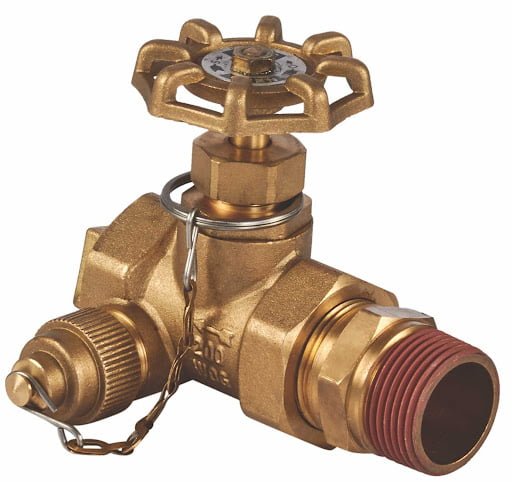
Drain Valves
Automatic drains that remove water from receivers, dryers, filters and pipelines without wasting compressed air.
View details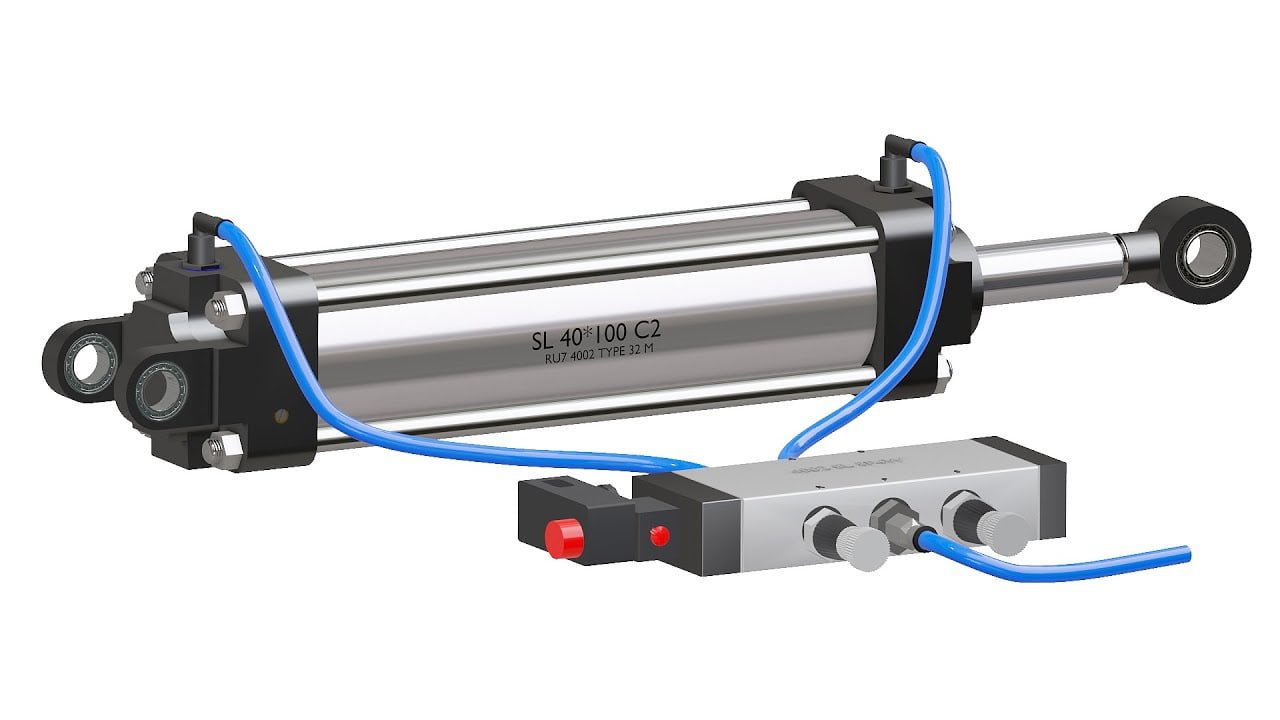
Pneumatic Cylinder
Single and double acting cylinders in standard ISO dimensions, sized on force, stroke and mounting for gates, dampers and machines.
View details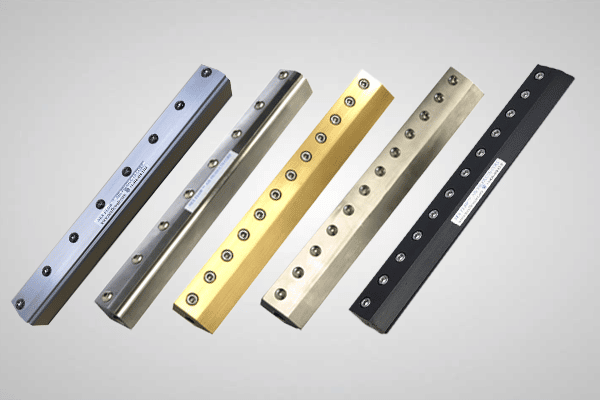
Nexflow Air Knife
Compressed air knives that produce a thin, even sheet of air for drying, cooling and cleaning, using far less air than drilled pipes.
View detailsGet dry, clean compressed air
Send your compressor details and dew point target, and we will size a dryer and filter package with a quotation.