Hydro jetting machines for plants in Raigarh & Odisha
High-pressure water jetting units for cleaning tubes, pipes, heat exchangers and vessels without chemicals.
- Chemical-free cleaning
- Trolley or skid units
- Nozzles for each job
Get a quick quote
Share your requirement — we call back with options and price.
Hydro jetting uses a focused stream of high-pressure water to remove scale, sludge, deposits and blockages from pipes, tubes and process equipment. It cleans without abrasive media or chemicals, so there is less waste to handle and less risk to the equipment being cleaned.
We supply trolley and skid-mounted hydro jetting machines built around Riggers plunger pumps, with lances, flexible hoses, nozzles and safety accessories. They suit maintenance teams and cleaning contractors in steel, power, aluminium and process plants in Chhattisgarh and Odisha.
Typical users include in-house maintenance teams cleaning heat exchangers and condensers during shutdowns, and contractors who move between sites. We configure the machine around the deposits and equipment you clean most often.
Where it is used
- Heat exchanger tube cleaning
- Condenser cleaning
- Process pipe descaling
- Drain and sewer line clearing
- Tank and vessel cleaning
- Cooling tower cleaning
- Pre-painting surface cleaning
Key benefits
Chemical-free cleaning
Water alone removes deposits, so there is no chemical waste or neutralisation.
Trolley or skid units
Mobile machines for moving around the plant or fixed units for a cleaning bay.
Nozzles for each job
Rotating, forward-jet and flexible lance nozzles for tubes, pipes and vessels.
Shorter shutdowns
Fast cleaning helps return exchangers and lines to service sooner.
What hydro jetting cleans
- Heat exchanger and condenser tubes: scale and fouling that cut heat transfer.
- Process and drain pipes: sludge, hardened deposits and blockages.
- Tanks and vessels: residue on walls and floors, using tank cleaning heads.
- Boiler and cooling tower components: deposits on fins, fills and surfaces.
- Equipment exteriors: oil, grease and dust build-up before inspection or painting.
Choosing a jetting machine
| Factor | What to consider |
|---|---|
| Deposit type | Soft sludge needs flow; hard scale needs higher pressure |
| Pipe or tube size | Determines nozzle and lance size and the flow required |
| Drive | Electric motor in the plant, diesel engine for remote sites |
| Mobility | Trolley for in-plant use, skid or trailer for contractors |
| Accessories | Flexible lances, rigid lances, foot-operated dump valves, guns |
For removing very hard scale and coatings at higher pressures, see our hydro blasting machines.
We supply both the base machine and the consumables that wear in use, such as nozzles, lance tips, hose assemblies and plunger seals, so your crew is not held up mid-shutdown.
Safe operation
High-pressure jets can cause serious injury. Operators should use a dead-man foot valve or trigger gun, wear protective clothing and face shields, and keep the area barricaded. Hoses and fittings must be rated above the working pressure and inspected before every shift. We can advise on the safety accessories to include with your machine.
Train every operator before first use and keep spare nozzles and seals on hand, since worn nozzles change the jet and can make the gun harder to control.
Need help choosing?
Send us your application, duty and site conditions. We recommend the right model and quote with delivery to your plant.
Related
Hydro Jetting Machines we supply
Ask for a price on any item — we confirm availability and delivery to your site.


Hydro Jetting Machines: questions buyers ask
Straight answers to the questions plant teams ask us most.
What is the difference between hydro jetting and hydro blasting?
Both use high-pressure water. The term hydro jetting is commonly used for cleaning inside pipes and tubes, while hydro blasting usually means higher-pressure work on hard scale, coatings and surfaces. The machine pressure and nozzles differ accordingly.
Can hydro jetting damage the pipe?
With the correct pressure and nozzle it is safe for sound pipes, and it is often gentler than mechanical cleaning. Very old, corroded or thin-walled pipes should be assessed first, and pressure should be set to the minimum that does the job.
Do I need hot water for jetting?
Cold water is enough for most scale and sludge. Hot water helps with oily and greasy deposits but needs a heater and pump components rated for the temperature.
How do I clean heat exchanger tubes efficiently?
Use a flexible or rigid lance sized to the tube bore with a forward-and-rear jet nozzle, and work each tube end to end. Multi-lance arrangements speed up large bundles. Tell us the tube ID and length and we will suggest the lance and nozzle.
What water quality does the machine need?
Clean water through an inlet filter. Grit and debris in the supply wear plungers, seals and valves quickly and can block nozzles.
You may also need

Hydro Blasting Machines
Trolley-mounted high-pressure water blasting systems that remove scale, coatings and hard deposits without abrasives or chemicals.
View details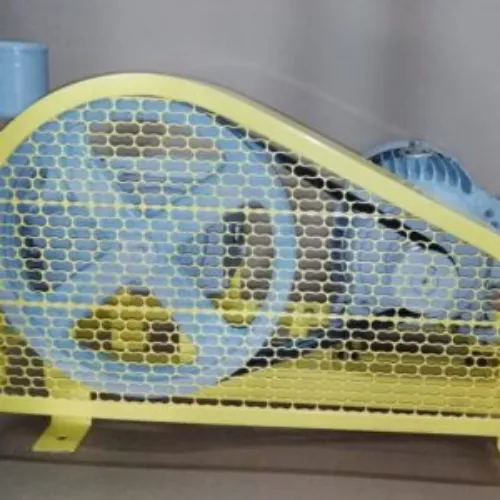
Riggers Pumps
Plunger pumps and complete units for cleaning, jetting, hydro testing, blasting and UHP fire fighting from our group brand Riggers Pumps.
View details
Industrial Cleaning Equipment
Heavy-duty electric high-pressure cleaners for washdown, pipe cleaning, paint and rust removal across the plant.
View detailsClean faster with hydro jetting
Tell us what you need to clean and the deposit type, and we will recommend a jetting machine and accessories.