Solar junction boxes for PV plants in Odisha & Chhattisgarh
Array junction boxes and distribution boxes that combine strings safely and protect your inverter and panels.
- Surge protection
- String fusing
- Safe isolation
Get a quick quote
Share your requirement — we call back with options and price.
Solar junction boxes connect panel strings to the rest of the electrical system. In larger arrays, DC junction boxes (also called array junction or combiner boxes) bring several strings together and house string fuses, surge protection and an isolator before the inverter.
On the AC side, an AC distribution box carries the MCB or MCCB, surge protection and isolator between the inverter and your main panel. We supply both, configured to your string count, voltage and current for sites in Odisha and Chhattisgarh.
Because junction boxes sit outdoors on rooftops and in solar fields for many years, enclosure quality and correct component ratings matter as much as the layout inside. A poorly rated box can become a hot spot or a fire risk.
Where it is used
- Rooftop solar plants
- Ground-mounted arrays
- Solar pumping systems
- Hybrid and battery systems
- Upgrades of existing plants
- Replacement of damaged boxes
Key benefits
Surge protection
DC and AC surge protection devices limit damage from lightning-induced surges.
String fusing
Fuses on each string protect panels and cables from reverse currents.
Safe isolation
A load-break isolator lets maintenance staff disconnect the array before work.
Weatherproof enclosures
IP-rated enclosures suited to outdoor rooftops with dust and monsoon rain.
DC and AC junction boxes compared
| DC junction box | AC distribution box | |
|---|---|---|
| Location | Between panels and inverter | Between inverter and main panel |
| Typical contents | String fuses, DC SPD, DC isolator | MCB/MCCB, AC SPD, isolator, metering |
| Rating basis | System voltage, string count and string current | Inverter output current and phase |
On larger plants, several DC junction boxes may feed a central inverter or multiple string inverters. On small rooftop systems, the DC and AC protection is sometimes combined in one compact distribution box.
How to select a junction box
- Number of inputs and outputs: match the string count and inverter MPPT inputs.
- Voltage rating: DC components must be rated for the array's maximum open-circuit voltage.
- Current rating: fuses and isolators sized to the string short-circuit current with margin.
- Enclosure: IP rating, UV resistance and cable glands sized to your cables.
- Earthing: provision for connecting SPDs and the enclosure to the earth system.
Pair with suitable solar cables and inverters for a complete, consistent system.
Label each string and keep a simple single-line diagram inside the box door. This makes fault-finding much quicker for maintenance staff.
What to send for a quote
- Number of strings and panels per string
- Panel datasheet (Voc, Isc)
- Inverter model and number of MPPT inputs
- Indoor or outdoor mounting
If you are replacing a box on an existing plant, include photos of the inside and the nameplate details of fuses and SPDs so we can match ratings.
Need help choosing?
Send us your application, duty and site conditions. We recommend the right model and quote with delivery to your plant.
Related
Solar Junction Boxes we supply
Ask for a price on any item — we confirm availability and delivery to your site.


Solar Junction Boxes: questions buyers ask
Straight answers to the questions plant teams ask us most.
Do small systems need a DC junction box?
Small systems with one or two strings often connect directly to an inverter with built-in protection. A DC box is still useful for surge protection and an accessible isolator, especially on long cable runs.
Why is surge protection important in solar?
Panels and long cable runs on rooftops pick up surges from nearby lightning strikes. SPDs divert these surges to earth and reduce the risk of damaging the inverter, which is the costliest electronic part of the system.
Can I use AC breakers on the DC side?
No. DC arcs are harder to extinguish than AC arcs, so DC circuits need components specifically rated for DC at the array voltage. Using AC-rated parts on DC is a fire risk.
What IP rating should an outdoor box have?
For rooftop mounting exposed to rain and dust, an enclosure of at least IP65 is commonly used. Mounting in shade also helps keep internal temperatures down.
Can you rewire or upgrade an existing junction box?
Yes. Send photos of the box, the string details and the problem you are facing, and we will suggest a replacement or upgrade.
You may also need
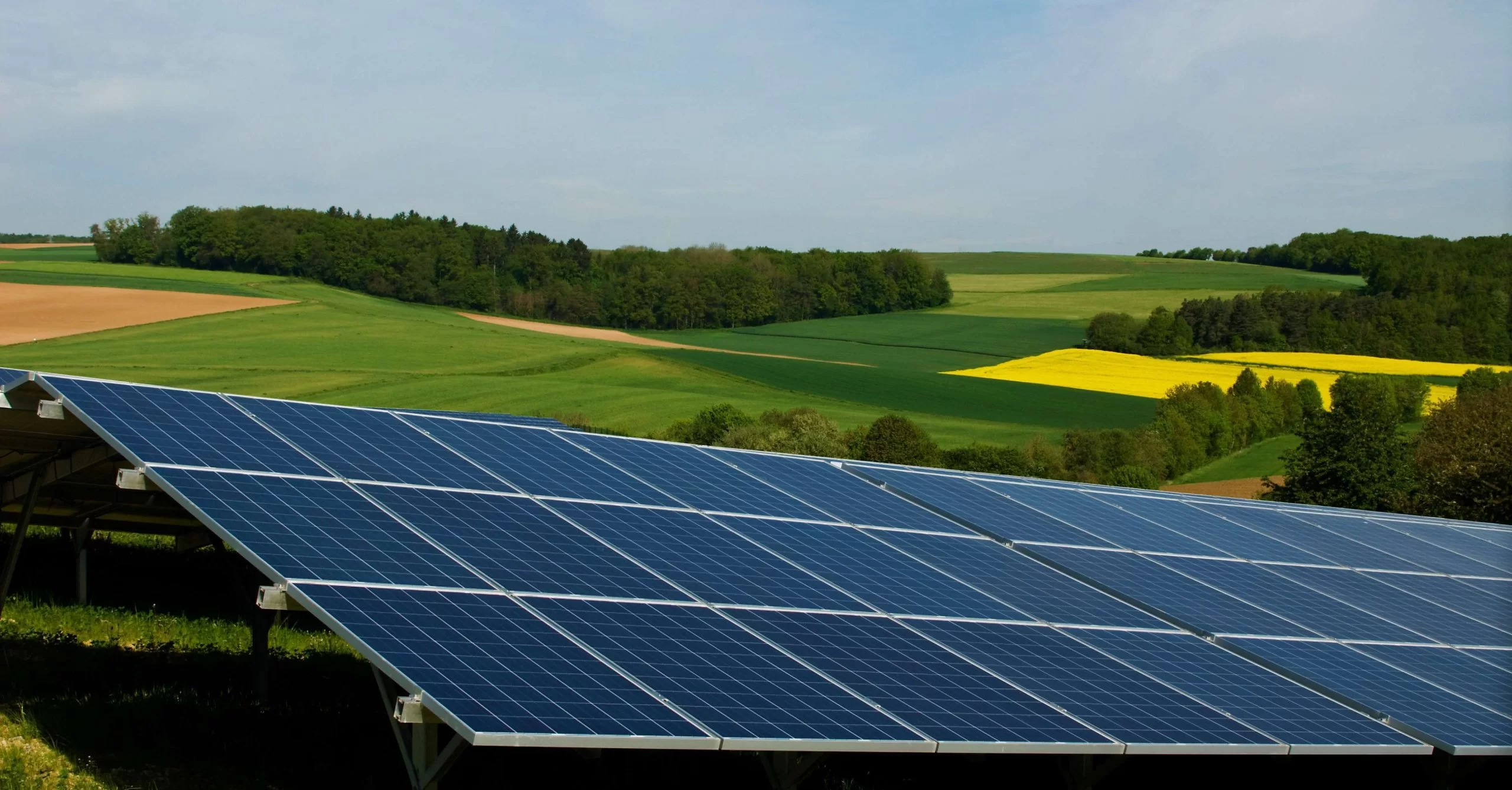
Solar Power Plant
Rooftop and ground-mounted solar systems that cut daytime grid consumption for factories, commercial buildings and farms.
View details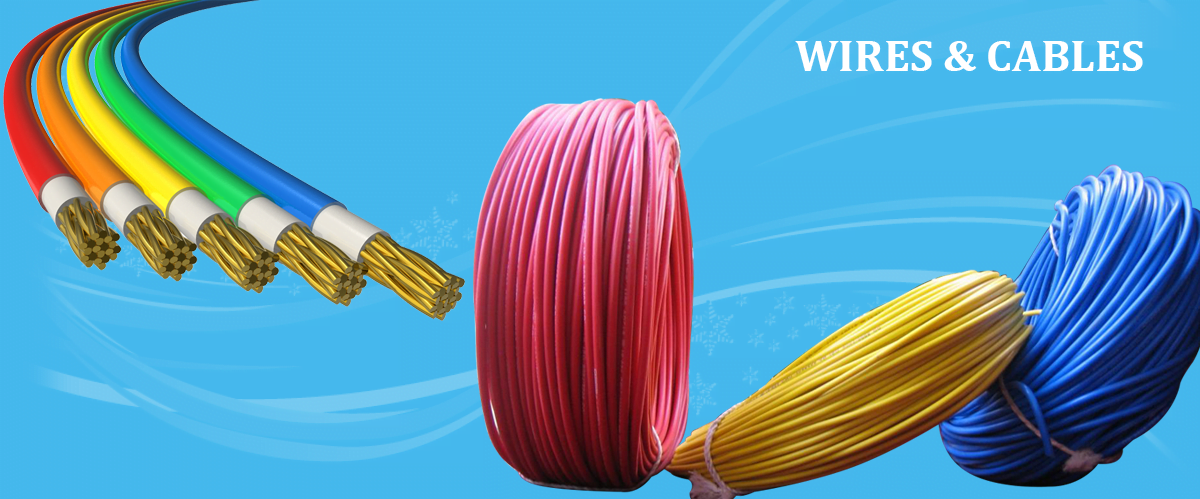
Solar Cables and Wires
DC and AC cables sized for low voltage drop and long outdoor life on rooftop and ground-mount systems.
View details
Solar Inverters
On-grid, hybrid and off-grid inverters matched to your panel array, load and grid conditions.
View detailsGet junction boxes configured for your array
Share your string layout and inverter details and we will quote suitable DC and AC boxes.