How solar energy works: a simple guide for sites in Chhattisgarh & Odisha
From sunlight on the panel to power at your socket, here is what each part of a solar system does.
- Lower electricity bills
- Clean energy
- Long service life
Get a quick quote
Share your requirement — we call back with options and price.
If you are considering solar for a factory, office or farm, the first question is usually how it actually works. Solar panels, also called photovoltaic (PV) modules, absorb sunlight and produce electricity through the photovoltaic effect: "photo" means light and "voltaic" means producing electricity.
That electricity passes through an inverter, protection devices and a net meter before it reaches your loads or the grid. The five steps below explain each stage, followed by practical points for sites in Chhattisgarh and Odisha.
Understanding these steps also makes it easier to compare quotations, because you can see which components are included and how each one is rated.
Where it is used
- Factory rooftops
- Commercial buildings
- Schools and hospitals
- Farms and pumping
- Plant colonies
- Homes
From sunlight to usable power
Solar panels capture sunlight
Photons striking the silicon cells energise electrons and create a flow of direct current (DC). Panels need only daylight; output rises with sunlight intensity.
Inverter converts DC to AC
Most equipment and the grid use alternating current (AC), so the inverter converts the panels' DC output. It starts automatically in the morning and switches off at night.
Isolator protects the system
An AC isolator switch links the solar system to your existing wiring and lets it be disconnected safely, protecting equipment from faults such as overcurrent from a faulty inverter.
Net meter records import and export
A bidirectional net meter replaces the old meter and records power drawn from and exported to the grid. You are billed for the net energy you use after surplus exports are adjusted.
Distribution board delivers power
Solar power flows through your existing distribution board and wiring to lights, motors, air conditioners and other loads, with the grid supplying any shortfall.
Key benefits
Lower electricity bills
Daytime consumption is met by your own generation, reducing units bought from the grid.
Clean energy
Solar generation produces no fuel emissions or waste during operation.
Long service life
Panels are designed for many years outdoors with simple routine maintenance.
Strong local sunshine
Central and eastern India receive good sunlight for most of the year, outside the monsoon months.
Grid-tied, hybrid and off-grid: what changes
The five steps above describe a grid-tied system, the most common choice where grid supply is reliable. It has no batteries and shuts down during a power cut for safety.
A hybrid system adds batteries so that selected loads keep running during outages, while still exporting surplus. An off-grid system relies entirely on panels and batteries and suits remote farms or sites without a grid connection. See solar inverters for how each is configured.
Whichever type you choose, the panels and protection devices work the same way. The difference is how energy is stored and what happens when the grid is unavailable.
Practical points before you install
- Shadow-free area: roughly 8 to 10 square metres per kW on a rooftop.
- Dust: sites near steel plants, mines and coal yards need regular panel cleaning to keep output up.
- Roof condition: repair leaks and check strength before installing mounting structures.
- Net metering: rules and approvals depend on your distribution company, so plan the paperwork early.
- Protection: good earthing, surge protection and correctly rated junction boxes keep the system safe.
Ready to size a system? Visit our solar power plant page.
A well-designed system also includes monitoring, so you can compare daily generation with expectations and spot problems such as dirty panels, a tripped string or an inverter fault quickly.
Need help choosing?
Send us your application, duty and site conditions. We recommend the right model and quote with delivery to your plant.
Related
How Solar Energy Works: questions buyers ask
Straight answers to the questions plant teams ask us most.
Do solar panels work on cloudy days?
Yes, but output falls noticeably under heavy cloud and during the monsoon. Annual generation estimates already account for seasonal variation.
What happens to extra power my panels produce?
In a grid-tied system with net metering, surplus is exported to the grid and recorded by the net meter. It is adjusted against the energy you draw at other times, as per your DISCOM's rules.
Does a solar system work at night?
Panels produce no power at night, so your site draws from the grid or, in hybrid and off-grid systems, from batteries charged during the day.
What is the most important maintenance task?
Keeping panels clean. Dust and bird droppings block sunlight, and in industrial areas cleaning may be needed every week or two. Periodic checks of connections and earthing are also important.
How do I know what size system I need?
Start with your last 12 months of electricity bills and the available shadow-free area. We use those to suggest a system size and estimated generation.
You may also need
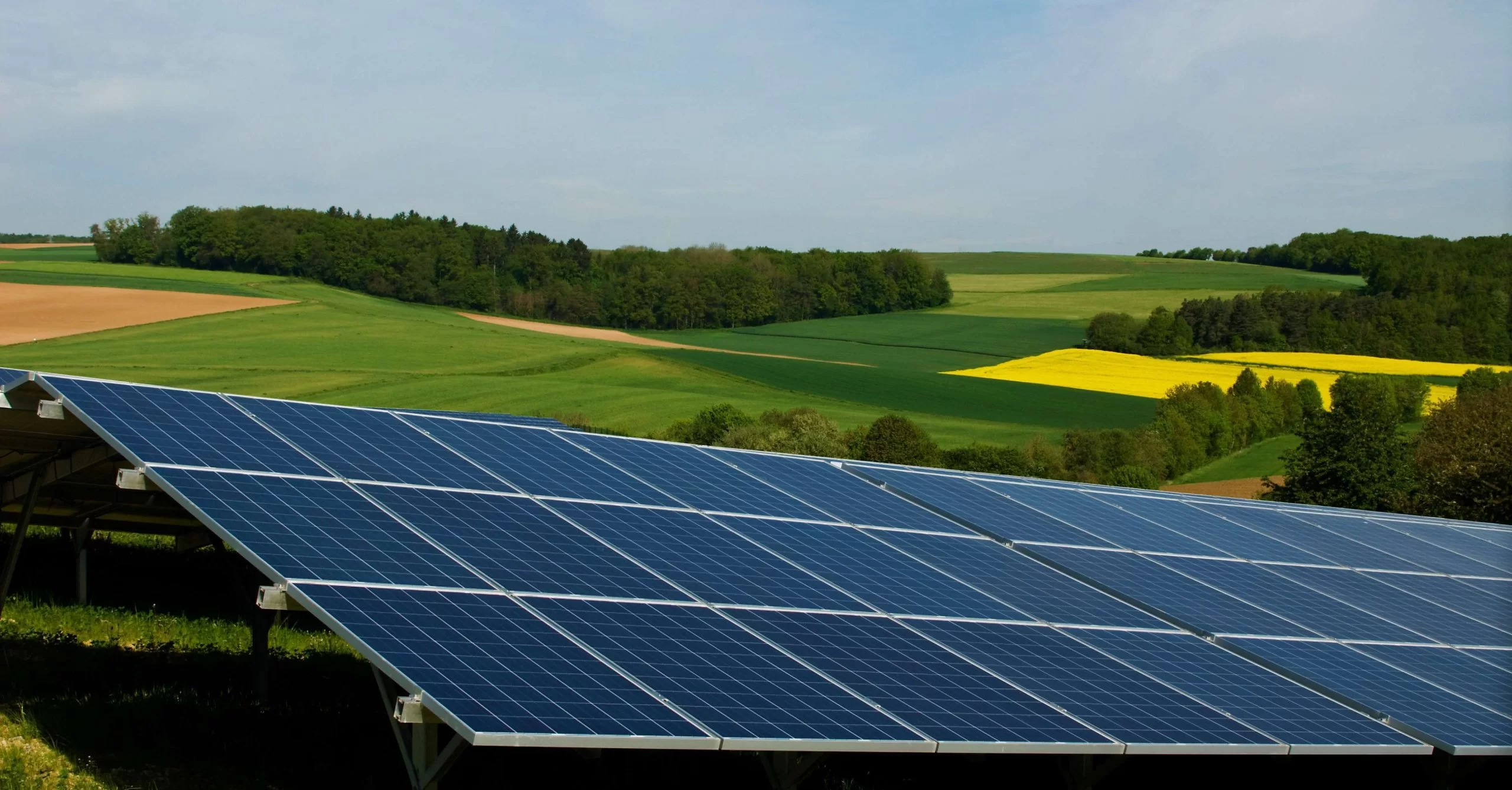
Solar Power Plant
Rooftop and ground-mounted solar systems that cut daytime grid consumption for factories, commercial buildings and farms.
View details
Solar Inverters
On-grid, hybrid and off-grid inverters matched to your panel array, load and grid conditions.
View details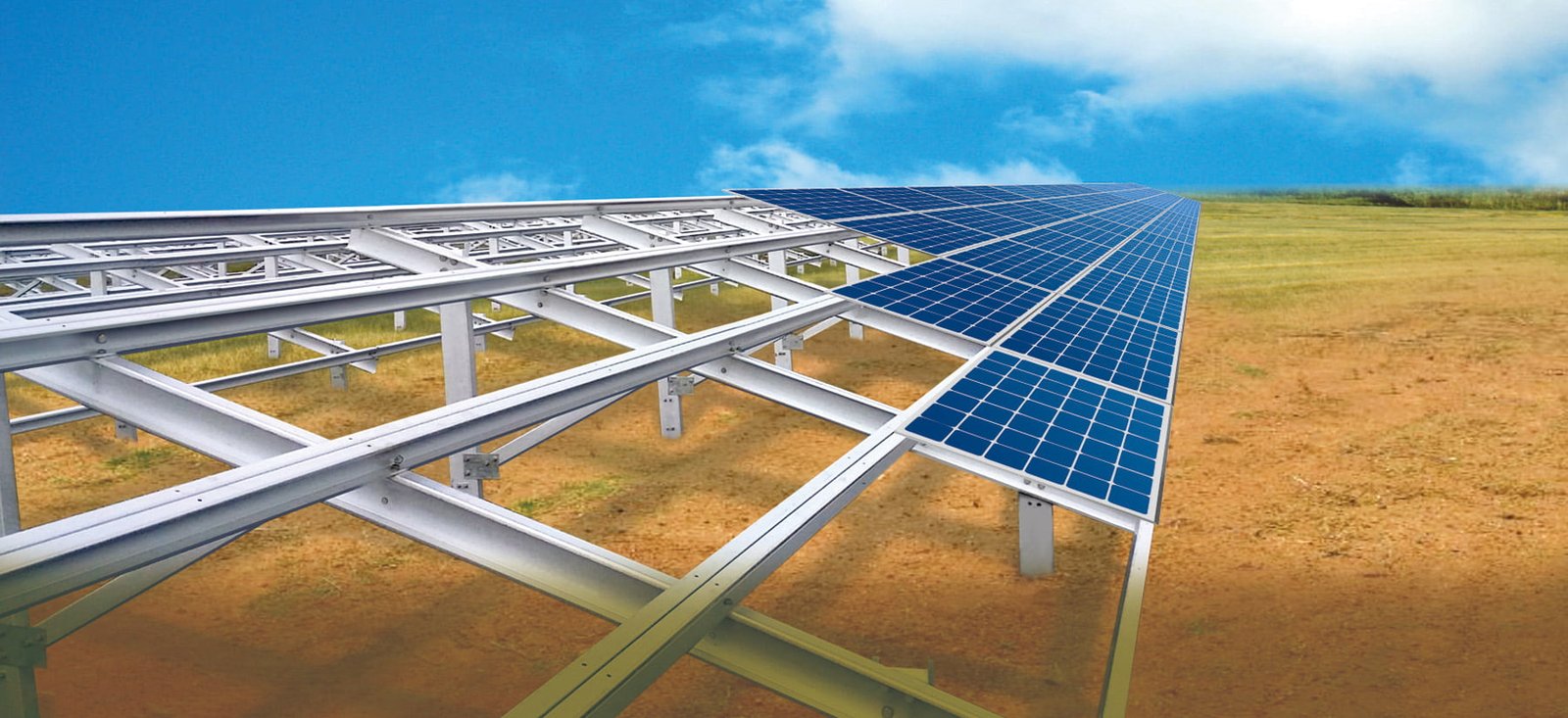
Solar Mounting Structures
Galvanised steel and aluminium structures that hold panels at the right tilt and stand up to wind and monsoon weather.
View detailsFind out what solar can do for your site
Send your electricity bills and site photos and we will suggest a system size and quotation.