Solar power plants for industries in Chhattisgarh & Odisha
Rooftop and ground-mounted solar systems that cut daytime grid consumption for factories, commercial buildings and farms.
- Sized to your load
- Rooftop or ground-mount
- Grid-tied, hybrid or off-grid
Get a quick quote
Share your requirement — we call back with options and price.
A solar power plant converts sunlight into electricity using photovoltaic (PV) panels, then an inverter turns that DC output into AC power your site can use or export to the grid. For plants and buildings in Raigarh, Raipur, Jharsuguda and the surrounding region, solar is a practical way to reduce daytime electricity bills.
We supply the complete package: panels, inverters, mounting structures, junction boxes, DC and AC cables and protection accessories, with installation support. Every proposal starts from your load profile, roof or land area and the net-metering rules that apply to your connection.
Industrial roofs in this region, from steel plant sheds to warehouse roofs, often have large unshaded areas that suit solar well. Dust from nearby operations is the main local challenge, so we plan for cleaning access from the start.
Where it is used
- Factory and warehouse rooftops
- Commercial buildings and offices
- Schools and hospitals
- Farms and agricultural pumping
- Plant colonies and guest houses
- Ground-mounted captive plants
Key benefits
Sized to your load
System size is based on your bills, daytime load and available area, not a fixed package.
Rooftop or ground-mount
Options for RCC roofs, metal sheet sheds and open land, with structures to suit each.
Grid-tied, hybrid or off-grid
Grid-tied for net metering, or hybrid and off-grid with batteries where supply is unreliable.
Installation support
Guidance on layout, wiring and commissioning, and help with spares after handover.
Main components of a solar plant
| Component | Role |
|---|---|
| PV panels (modules) | Convert sunlight into DC electricity |
| Inverter | Converts DC to AC and synchronises with the grid |
| Mounting structure | Holds panels at the right tilt and resists wind loads |
| Junction boxes | Combine strings and house fuses and surge protection |
| Cables and wires | Carry DC and AC power with low losses |
| Net meter and protection | Records import/export and isolates faults |
New to solar? Read how solar energy works for a step-by-step overview.
Panels and inverters get the most attention, but long-term reliability often depends on the balance of system: correct cable sizing, sound earthing, surge protection and corrosion-resistant structures.
How we size and plan your plant
- Review bills and load: 12 months of electricity bills show consumption, sanctioned load and tariff.
- Site survey: we check usable roof or land area, shading, roof strength and cable routes.
- System design: panel count, inverter size and structure type are selected, with an estimate of annual generation.
- Quotation: itemised supply and installation support, with the approvals you will need for net metering.
As a rule of thumb, a 1 kW rooftop system needs roughly 8 to 10 square metres of shadow-free area. Final sizing always follows the survey.
What to send us for a quote
- Recent electricity bills (ideally 12 months)
- Site location and type of roof or land
- Approximate shadow-free area and photos
- Preferred system type: grid-tied, hybrid or off-grid
- Any diesel generator or critical loads that must keep running
If you already have a solar plant that is underperforming, send recent generation data and photos; we can suggest checks and replacement components.
Need help choosing?
Send us your application, duty and site conditions. We recommend the right model and quote with delivery to your plant.
Related
Solar Power Plant we supply
Ask for a price on any item — we confirm availability and delivery to your site.


Solar Power Plant: questions buyers ask
Straight answers to the questions plant teams ask us most.
How much area do I need for a solar plant?
Roughly 8 to 10 square metres of shadow-free area per kW for rooftop systems, a little more for ground-mount layouts with row spacing. The exact figure depends on panel wattage and tilt, which we confirm during the survey.
Should I choose grid-tied or hybrid?
Grid-tied systems are simpler and cost less, and suit sites with reliable grid supply and net metering. Hybrid systems add batteries so critical loads keep running during outages, at a higher cost. We recommend based on your outage pattern and loads.
Can solar run during a power cut?
A standard grid-tied inverter shuts down when the grid fails, for the safety of line workers. To keep supply during outages you need a hybrid or off-grid system with batteries.
Do you help with net metering?
We guide you on the documents and technical details the distribution company asks for, and the system is configured for net metering. The application itself is made in the consumer's name as per local DISCOM rules.
What maintenance does a solar plant need?
Regular panel cleaning to remove dust, periodic checks of connections, fuses and earthing, and monitoring inverter output for drops. Dusty industrial areas may need more frequent cleaning.
Is my metal sheet roof suitable?
Usually yes, using rail or short-rail structures clamped to the sheet profile. We check the sheet condition and purlin spacing during the survey before confirming.
You may also need

Solar Inverters
On-grid, hybrid and off-grid inverters matched to your panel array, load and grid conditions.
View details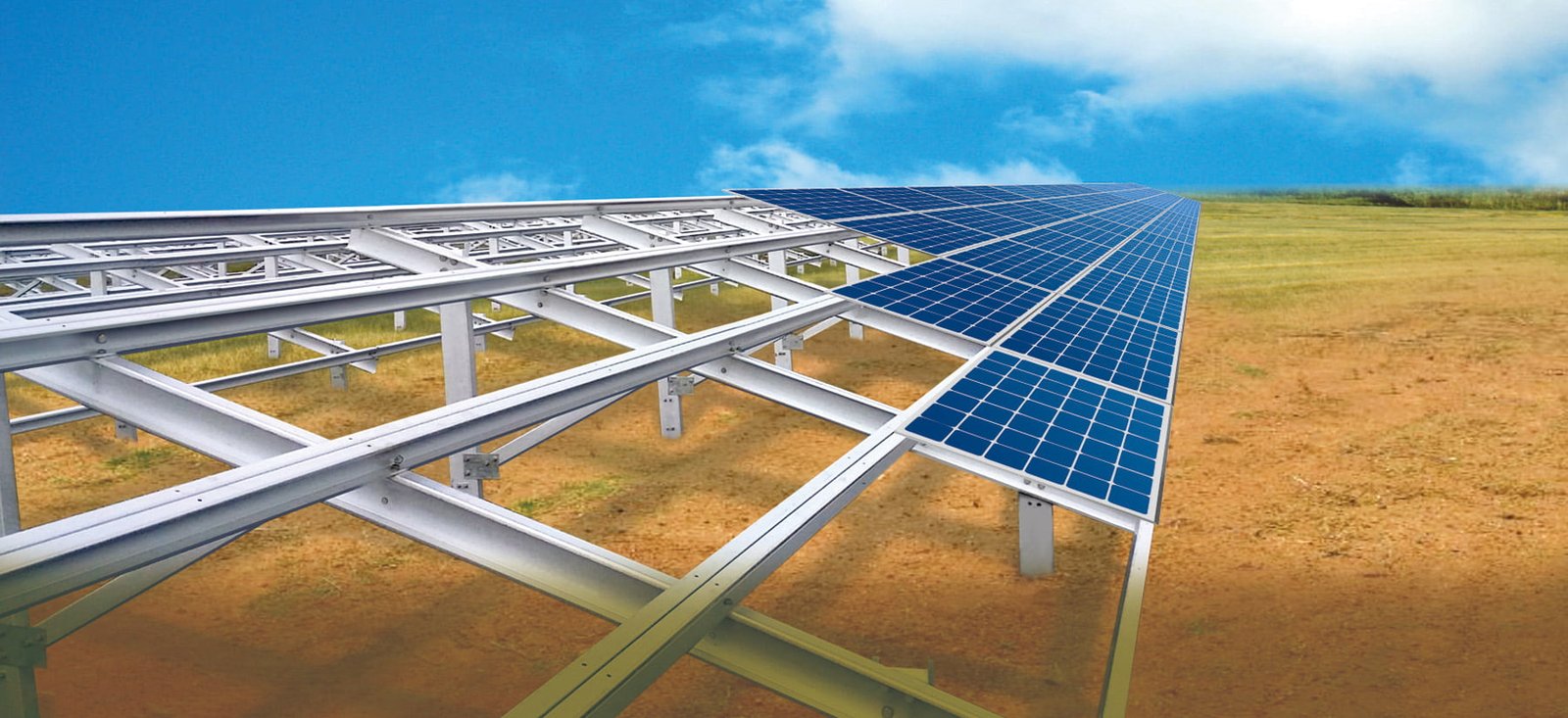
Solar Mounting Structures
Galvanised steel and aluminium structures that hold panels at the right tilt and stand up to wind and monsoon weather.
View details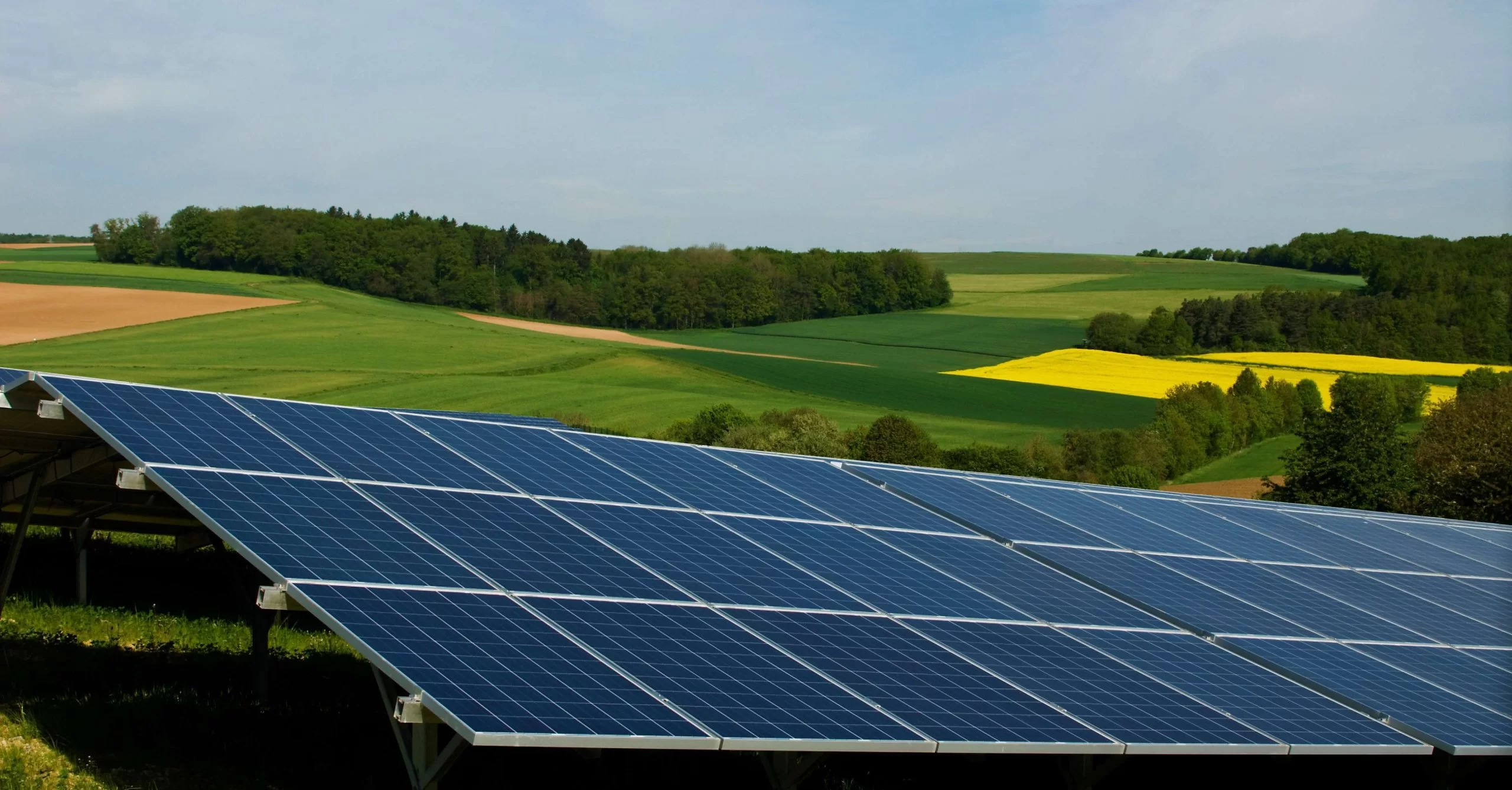
How Solar Energy Works
From sunlight on the panel to power at your socket, here is what each part of a solar system does.
View detailsPlan your solar plant with us
Send your electricity bills and site photos and we will propose a system size and quotation.