Drip irrigation products for Chhattisgarh & Odisha farms
Laterals, emitters, filters, fertigation and fittings to build efficient drip systems for crops, orchards and plantations.
- Water to the root zone
- Better crop growth
- Filtration included
Get a quick quote
Share your requirement — we call back with options and price.
Drip irrigation, also called trickle irrigation, applies water slowly to the soil at the root zone, typically at 2 to 20 litres per hour per outlet. A network of small-diameter plastic pipes fitted with emitters or drippers delivers water where the plant needs it, with little lost to evaporation or runoff.
Through our group brand Greenly we supply drip irrigation products for farms, orchards, nurseries and landscaping in Chhattisgarh and Odisha. We help you plan the layout, choose emitter spacing and flow, and size the filtration and pump.
Drip also saves power and labour. Smaller pumps can run the system, fertiliser goes exactly where roots can use it, and dry inter-row spaces mean fewer weeds and easier field movement.
Where it is used
- Vegetables
- Sugarcane and cotton
- Fruit orchards
- Plantation crops
- Nurseries and polyhouses
- Landscaping and green belts
- Plant colony gardens
Key benefits
Water to the root zone
Slow, targeted application cuts evaporation and runoff losses.
Better crop growth
Steady soil moisture and fertigation support uniform growth.
Filtration included
Screen, disc and sand filters keep emitters from clogging.
Fewer weeds
Dry soil between rows means less weed growth and labour.
Components of a drip system
| Component | Purpose |
|---|---|
| Pump and control head | Supplies water at the required pressure |
| Filters (screen, disc, sand media) | Remove sand, silt and organic matter |
| Venturi or fertiliser tank | Adds fertiliser to the water (fertigation) |
| Mainline and submain | PVC or HDPE pipes carrying water to each block |
| Laterals with inline emitters | Deliver water along the crop row |
| Online drippers | Punched into laterals for trees and widely spaced plants |
| Valves, flush ends and fittings | Control zones and allow line flushing |
Every system should also include an air release valve at high points, a pressure gauge after the filter and flush valves at lateral ends to keep the network working well.
Planning a drip layout
- Crop spacing decides lateral spacing and emitter spacing along the row.
- Soil type sets emitter flow: sandy soils need closer spacing, clay spreads water wider.
- Water requirement per day and available hours set emitter flow and the number of zones.
- Slope and run length may need pressure-compensating emitters for even flow.
- Water quality decides the filter type and the need for acid or chlorine treatment.
Add automation to run zones on a timer.
What to send us for a quote
- Crop, plant spacing and field area
- Field dimensions or a sketch, with slope
- Water source and pump details
- Water quality, if known (sand, iron, salts)
Share details through request a quote and we will propose a bill of materials.
Need help choosing?
Send us your application, duty and site conditions. We recommend the right model and quote with delivery to your plant.
Related
Drip Irrigation we supply
Ask for a price on any item — we confirm availability and delivery to your site.


Drip Irrigation: questions buyers ask
Straight answers to the questions plant teams ask us most.
How much water can drip irrigation save?
Savings depend on crop, soil and the method it replaces, but drip typically uses much less water than flood irrigation because it avoids runoff, deep percolation and wetting the whole field.
What is the difference between inline and online drippers?
Inline emitters are built into the lateral at fixed spacing and suit closely spaced row crops. Online drippers are punched into the lateral wherever needed, which suits trees and widely spaced plants.
When do I need pressure-compensating emitters?
Use them on slopes, long laterals or uneven fields, where pressure varies along the line. They deliver nearly the same flow at the start and end of the lateral.
How do I stop drippers clogging?
Use the right filter for the water source, flush laterals and filters regularly and treat water with acid or chlorine where iron, salts or algae cause deposits. Most clogging problems start with inadequate filtration.
Can I apply fertiliser through drip?
Yes. Fertigation through a venturi injector or fertiliser tank applies water-soluble fertiliser directly to the root zone, reducing waste and labour. Flush the system with clean water afterwards.
How long does a drip system last?
With good filtration, regular flushing and protection from rodents and machinery, laterals and emitters last several seasons. Mainlines buried underground last much longer.
You may also need
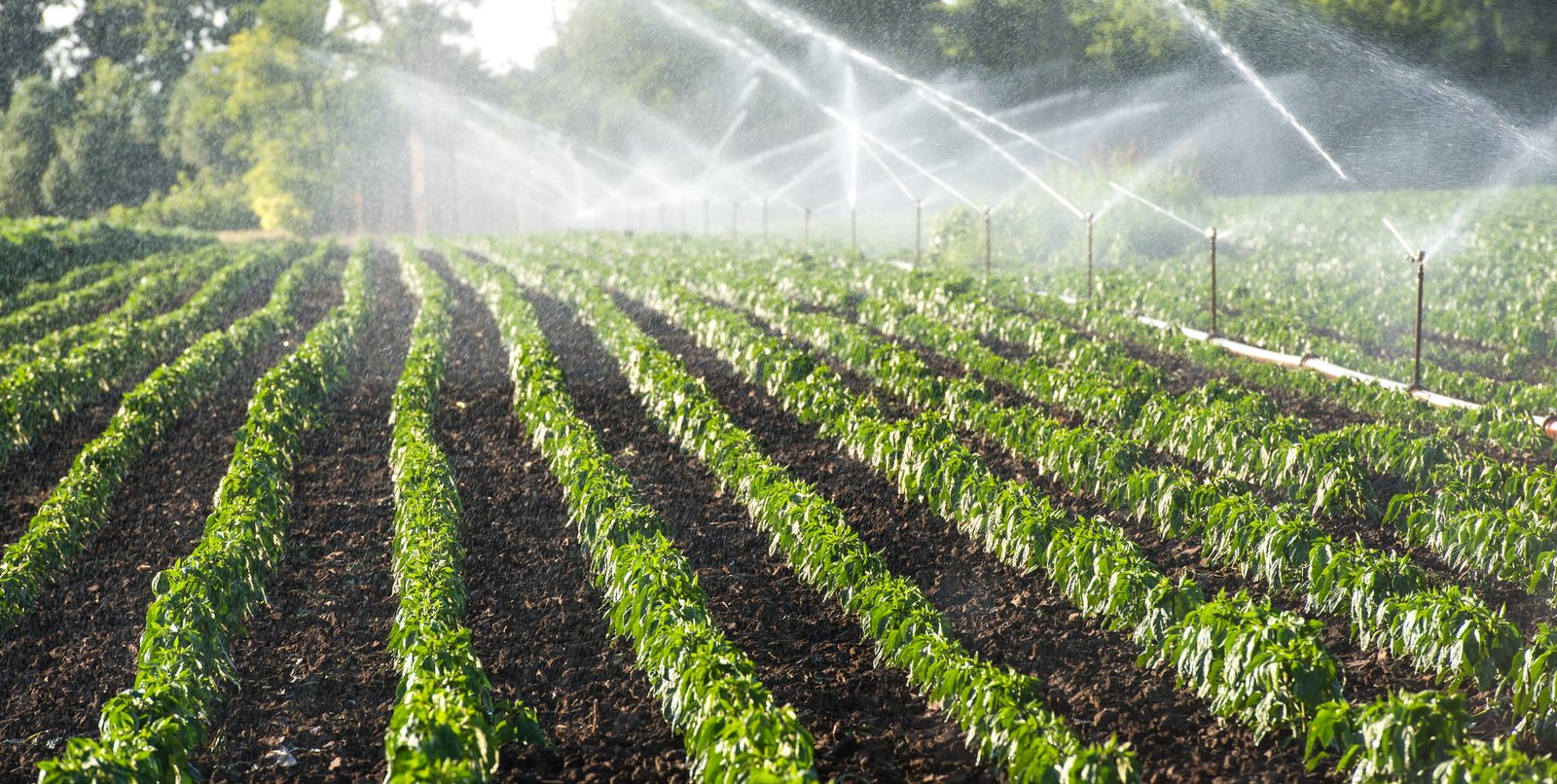
Irrigation Automation
GSM pump controllers, timers, valves and sensors that let you run irrigation remotely, on schedule and without dry running.
View details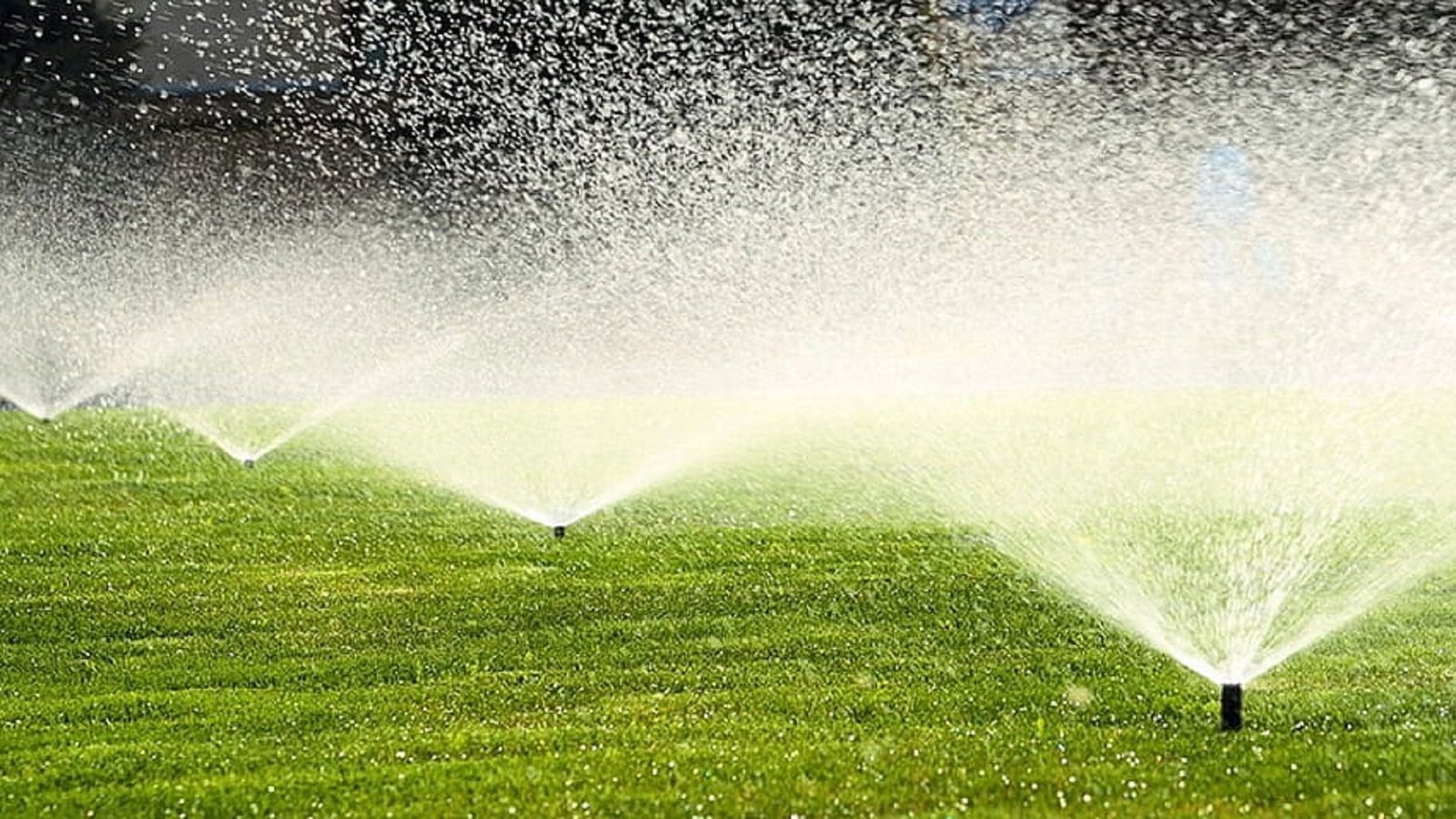
Sprinkler Irrigation
Sprinklers, rain guns, pipes and fittings that spread water evenly like rainfall over fields, lawns and open areas.
View details
Mist Irrigation
Misting and fogging nozzles, lines, pumps and controls for nurseries, polyhouses, propagation and cooling.
View detailsPlan your drip system
Send us your crop, spacing and field size and we will prepare a drip layout and quotation.