Solar cables and wires for PV plants in Odisha & Chhattisgarh
DC and AC cables sized for low voltage drop and long outdoor life on rooftop and ground-mount systems.
- UV-resistant DC cable
- Sized for low losses
- Copper or aluminium
Get a quick quote
Share your requirement — we call back with options and price.
Cables carry every unit of energy a solar plant produces, so undersized or unsuitable cables waste generation and can overheat. DC solar cables run from the panels to junction boxes and the inverter, while AC cables connect the inverter to your distribution panel.
Copper and aluminium are the two common conductor materials. Copper carries more current for a given size and is standard for DC string wiring; aluminium is lighter and more economical for long, larger AC runs. We supply both for sites across Odisha and Chhattisgarh.
Cable faults are a common cause of underperformance in older solar plants: undersized runs, cracked insulation from sunlight or loose terminations. Choosing the right cable and installing it carefully avoids most of these problems.
Where it is used
- DC string wiring
- Inverter to panel AC feeders
- Earthing conductors
- Ground-mount plant cabling
- Solar pumping systems
- Replacement of damaged cables
Key benefits
UV-resistant DC cable
Solar DC cable with insulation designed for sunlight, heat and outdoor exposure.
Sized for low losses
Cross-sections chosen to keep voltage drop within practical limits.
Copper or aluminium
Copper for strings and short runs, aluminium for long AC feeders where it makes sense.
Proper terminations
Matching connectors, lugs and glands supplied with the cable.
Copper vs aluminium cables
| Copper | Aluminium | |
|---|---|---|
| Conductivity | Higher; smaller size for same current | Lower; needs larger cross-section |
| Weight and cost | Heavier, costlier | Lighter, more economical |
| Typical solar use | DC string cables, short AC runs | Long AC feeders to main panel |
| Terminations | Standard lugs | Needs suitable bimetallic or aluminium lugs |
For buried runs between a ground-mount array and an inverter room, armoured cables laid at proper depth with warning tape give mechanical protection. On rooftops, avoid running cables where water collects or where they can be stepped on.
How to size solar cables
- Current: the cable must carry the string or inverter current with margin for temperature.
- Voltage drop: long runs need larger sizes to avoid losing generation; keeping drop low is good practice.
- Installation: cables in hot conduits or bunched on trays are derated.
- Voltage rating: DC cable must suit the array's maximum system voltage.
- Protection: use conduits or trays on rooftops and armoured cable for buried runs.
Cables work together with junction boxes and solar accessories such as connectors and earthing kits.
Keep positive and negative DC cables of each string routed together to reduce induced surge voltages, and label both ends of every cable for easy maintenance.
What to send for a quote
- System size and inverter model
- Approximate cable route lengths (DC and AC)
- Laying method: conduit, tray or buried
- Preference for copper or aluminium on AC runs
We will suggest cable sizes for each run and supply matching connectors and lugs.
Need help choosing?
Send us your application, duty and site conditions. We recommend the right model and quote with delivery to your plant.
Related
Solar Cables and Wires: questions buyers ask
Straight answers to the questions plant teams ask us most.
Can I use ordinary PVC wire for solar DC wiring?
It is not recommended. Ordinary PVC insulation degrades in sunlight and heat, while solar DC cables are designed for UV exposure and the DC voltages in PV strings.
What size DC cable do I need?
It depends on string current, run length and installation method. Many rooftop strings use 4 or 6 sq mm copper solar cable, but long runs may need larger sizes. Send your layout and we will calculate it.
Is aluminium cable safe for solar?
Yes, for AC feeders when correctly sized and terminated with suitable lugs. Poor terminations are the main risk, so connections must be made and tightened properly.
Should cables on a rooftop be in conduit?
Running cables in UV-stabilised conduit or covered trays protects them from sunlight, foot traffic and rodents, and keeps the installation tidy and safe.
Do you supply connectors and lugs too?
Yes. Matching connectors, lugs, glands and earthing materials can be supplied with the cable so the system is consistent.
You may also need
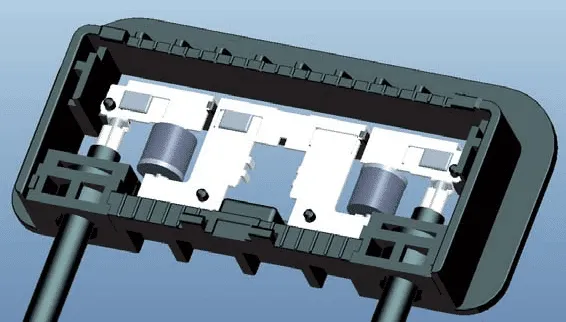
Solar Junction Boxes
Array junction boxes and distribution boxes that combine strings safely and protect your inverter and panels.
View details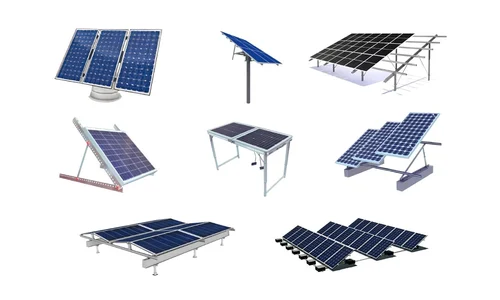
Solar Accessories
The components that connect, protect and maintain your panels and inverter, supplied together for a consistent system.
View details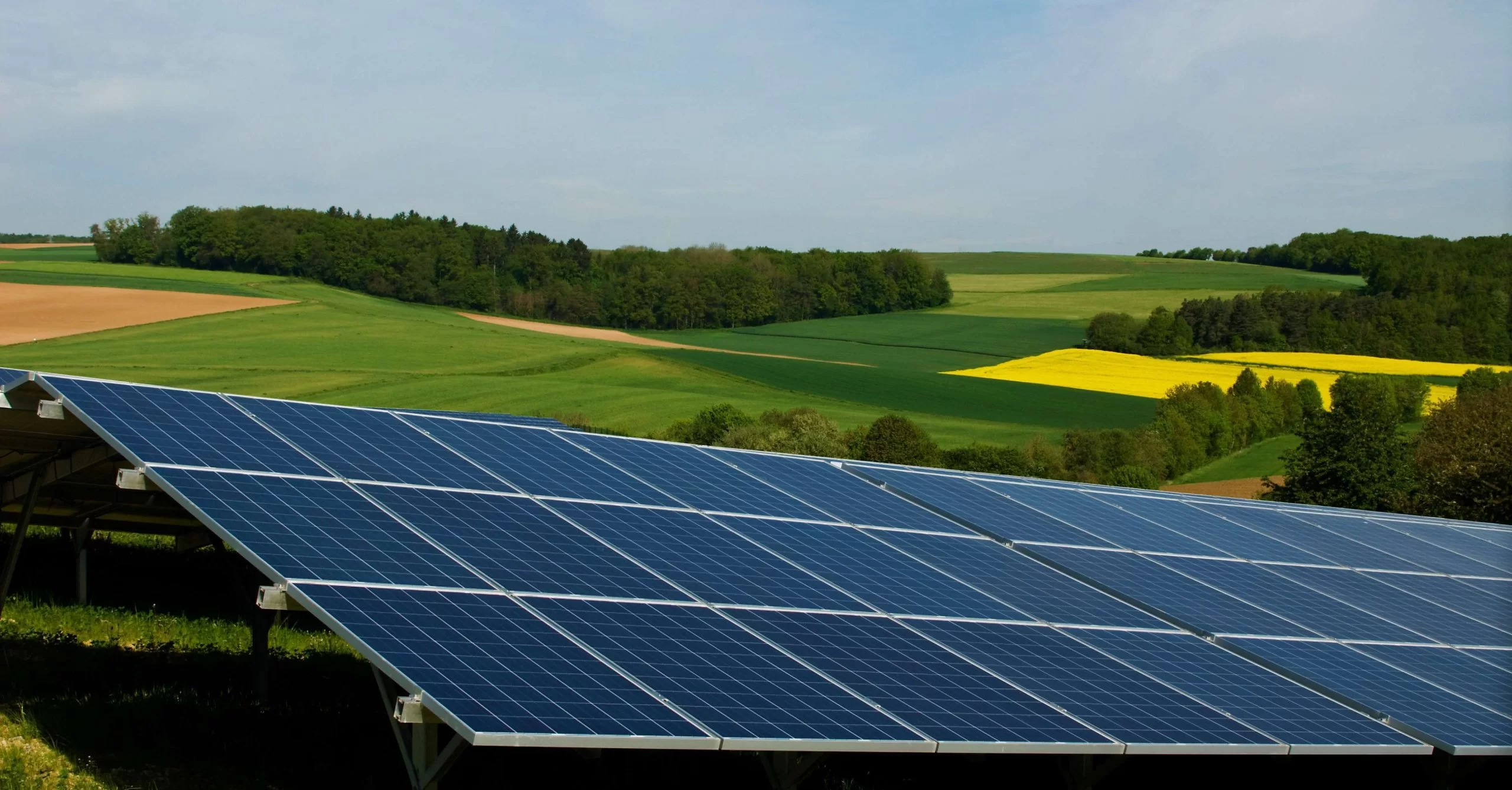
Solar Power Plant
Rooftop and ground-mounted solar systems that cut daytime grid consumption for factories, commercial buildings and farms.
View detailsGet your solar cabling sized correctly
Send your system size and cable route lengths for a recommendation and quote.